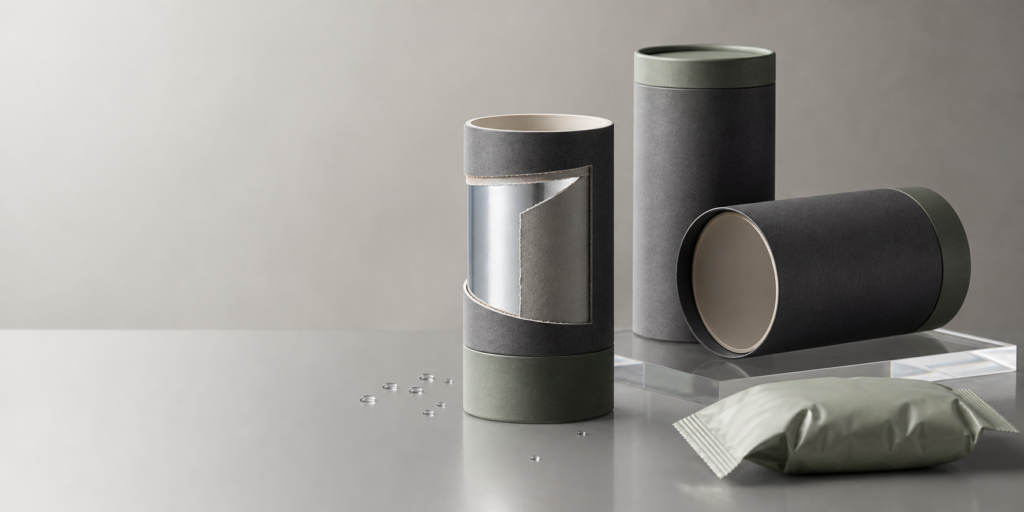
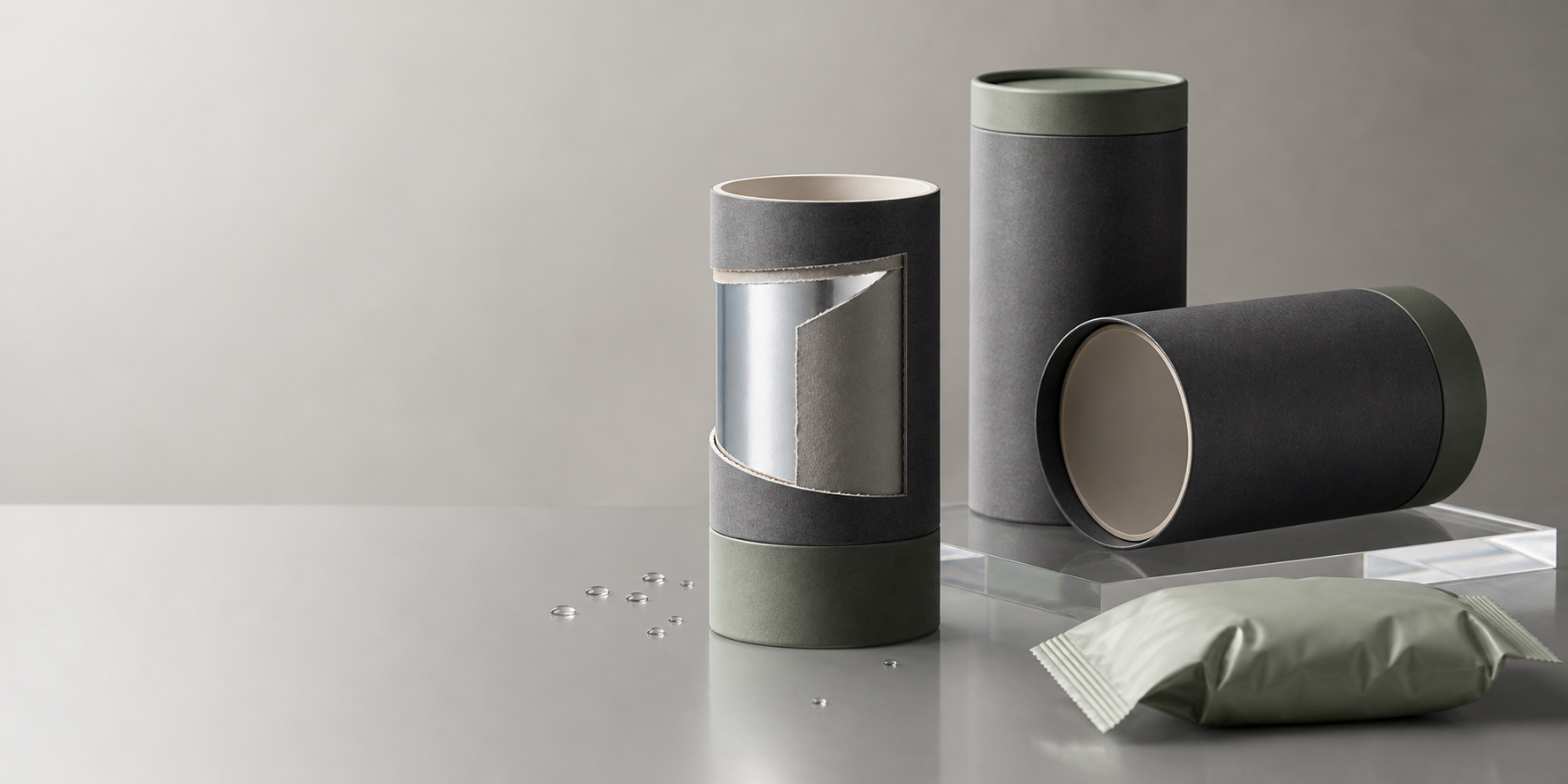
Xinhe sustainable paper tube packaging hero image with eco-friendly custom paper tubes

Are Paper Tubes Waterproof? A Complete Guide to Water Resistance, Moisture Barriers, and Packaging Solutions

Eco-friendly paper tube packaging used for moisture-resistant custom tube projects
Moisture-resistant paper tube packaging starts with the right liner, lid and storage plan.

Quick Answer: No. Standard paper tubes are not completely waterproof. However, they can be made water-resistant or moisture-resistant by using PE liners, PLA liners, aluminum foil liners, waterproof coatings, sealed inner bags, tight-fitting lids or protected structures depending on the product and storage environment.

Different products require different moisture protection levels. A paper tube for apparel may only need protection from normal warehouse humidity, while coffee, tea, protein powder, spices, CBD products, lip balm, deodorant, chocolate, candy, pet treats, vitamins or food gifts may need a stronger barrier system. Before choosing a tube, buyers should define whether the tube is primary packaging, secondary packaging or a gift-ready outer container around a sealed product.

What Buyers Really Want to Know

When buyers search “are paper tubes waterproof?”, they are usually not asking a material science question. They are trying to avoid a real packaging problem: will the tube become soft, wrinkle, smell musty, grow mold, damage the printed label, fail during sea shipping, or make the product unsafe for retail? Those are practical questions, and the answer depends on the full packaging system rather than the paper tube body alone.

  • Will the tube get soft? Yes, if unprotected paperboard absorbs enough moisture.
  • Will it become moldy? It can, especially in humid storage or if packed before drying.
  • Can it be used in a refrigerator? Only after condensation testing, and usually only as secondary packaging.
  • Can it survive rainy transport? Not by itself; it needs outer carton protection, wrapping or a sealed primary pack.
  • Can it replace plastic containers? Sometimes for secondary or dry-product packaging, but not for every waterproof primary container.

Why Standard Paper Tubes Are Not Naturally Waterproof

Paper tubes are made from paperboard layers. Paper fibers naturally absorb moisture, and water can move into the tube wall if the structure has no barrier layer. When this happens, the paperboard can soften, swell, deform, lose compression strength and damage printed artwork. Lids may also become loose or too tight if the tube expands after exposure to humidity.

This does not mean paper tube packaging is unsuitable for moisture-sensitive products. It means the barrier must be designed as part of the packaging system. A paper tube can provide a strong cylindrical body, premium shelf presentation and brand surface, while a liner, coating, inner bag or primary pack handles moisture protection.

Paper material selection for moisture-resistant paper tube packaging structures
Paper material selection affects tube strength, print quality, stiffness and moisture response.

Waterproof vs Water-Resistant Paper Tubes

Many buyers use the word waterproof when they actually need water resistance or moisture resistance. The difference matters because a completely waterproof paper tube is rare, while water-resistant paper tube packaging is common for indoor retail and export projects.

Feature Waterproof Water Resistant
Meaning Completely blocks water exposure Resists humidity, light moisture or short exposure
Typical paper tube use Rare for paper tubes alone Most custom paper tube packaging projects
Best for Outdoor or direct water exposure, usually with another primary pack Indoor retail, storage, shipping and moisture-sensitive dry products
Main method Separate waterproof container, sealed bag or heavy barrier system PE liner, PLA liner, foil liner, coating, inner bag or tight lid
Paperboard and specialty paper options for custom paper tube moisture protection
Different paperboard and specialty paper options should be matched with the liner, coating and product role.

Common Moisture Barrier Options

The best barrier depends on product contact, shelf life, humidity risk, destination climate, filling method and sustainability claims. For food or powder products, always confirm whether the product touches the tube directly or sits inside a sealed primary pack.

Barrier Material Moisture Protection Food Contact Potential Best Use Cases Recycling Note
PE liner Excellent Often suitable when specified correctly Protein powder, spices, candy, pet treats, dry food Mixed material; confirm local rules
PLA liner Good Often suitable when specified correctly Eco-positioned food and personal care projects Bio-based positioning, but not automatically recyclable everywhere
Aluminum foil liner Excellent Often used for food barriers when specified correctly Coffee, tea, chocolate, vitamins, aroma-sensitive products Strong barrier but mixed-material structure
Wax coating Medium Limited; needs project review Light moisture resistance and specialty retail packaging Can affect recyclability claims
Waterproof varnish or coating Medium to good Depends on coating and contact situation Outer surface protection and printing protection Ask for component details before claiming recyclable
Separate sealed inner bag Excellent Common for food and powder products Coffee beans, tea, powder, snacks, supplements Tube may remain simpler while bag handles barrier performance

Best Solutions for Different Industries

Moisture protection should be chosen by product, not by a generic packaging name. A paper tube for socks is very different from a paper tube for roasted coffee or protein powder.

Oil-resistant push-up paper tube for deodorant lip balm and personal care packaging
Oil-resistant inner lining and push-up structure are important for lip balm, deodorant and solid cosmetics.

Manufacturing Considerations Before Sampling

One of the most common misunderstandings we see at Xinhe Packaging is that buyers ask for a “waterproof paper tube” when what they actually need is protection against humidity during storage or shipping. Understanding this difference can save cost and avoid unnecessary material complexity. Moisture protection is reviewed together with structure, material, printing and export packing, because a tube that looks strong in a showroom may fail if the lid is loose, the wall thickness is too light, the liner is mismatched with the product, or the outer carton allows moisture exposure during ocean shipping.

  1. Product contact: Will the product touch the tube directly, or is there a sealed bag, jar, bottle or stick inside?
  2. Shelf life: How long must the product stay fresh before opening?
  3. Storage condition: Will it be stored in a dry warehouse, humid climate, bathroom, refrigerator or outdoor retail environment?
  4. Filling method: Hand filling, machine filling, powder filling and bag insertion create different requirements.
  5. Transportation: Sea freight, air freight, carton stacking and destination climate all change the moisture risk.
  6. Brand claim: If you want recyclable, compostable, plastic-free or food-grade claims, confirm the material evidence before printing the claim.
Paper tube moisture control leakage testing and quality inspection process
Xinhe quality review includes paper tube moisture control, leakage testing, air tightness testing and compression checks.
Xinhe paper tube factory production testing warehouse and engineering team
Factory production, testing, warehouse and engineering review all affect moisture-resistant packaging performance.

Factory Case Example: Coffee Paper Tube Moisture Review

In an anonymized coffee packaging review, a buyer needed a paper tube presentation for roasted coffee beans shipped by sea. A standard kraft paper tube looked attractive, but it could not protect coffee aroma or moisture by itself. Xinhe recommended keeping the coffee in a sealed inner bag and using the paper tube as a branded outer container with a tight-fitting lid. For projects where the coffee must interact more closely with the tube, an aluminum foil liner or foil-laminated inner solution would need to be reviewed before sampling.

  • Risk: ocean shipping humidity, aroma loss and possible carton moisture exposure.
  • Recommendation: sealed inner bag first, then rigid paper tube outer packaging with tight lid control.
  • Alternative: aluminum foil liner when the tube needs stronger barrier performance.
  • Result: better freshness protection without overclaiming that the paper tube body itself is waterproof.

This kind of review avoids a common mistake: asking whether the tube is waterproof without defining the product role. The better question is whether the full packaging system protects the product under the real storage and shipping conditions.

Paper tube export packing method to reduce shipping damage and moisture exposure risk
Export packing method helps reduce paper tube deformation, collision damage and moisture exposure during transportation.

How to Choose the Right Moisture Protection

Use this buying guide before requesting a quote for waterproof or water-resistant paper tube packaging.

  1. Identify the product: food, coffee, tea, powder, CBD, lip balm, deodorant, chocolate, candy, pet treats, vitamins, apparel or gift packaging.
  2. Define the tube role: primary packaging, secondary packaging or decorative outer packaging.
  3. Map moisture exposure: normal indoor humidity, humid warehouse, ocean shipping, bathroom storage, cold chain or direct water contact.
  4. Set shelf-life expectations: short promotion, retail shelf, long export storage or repeat subscription pack.
  5. Select the barrier: PE liner, PLA liner, aluminum foil liner, wax coating, waterproof coating, tight lid or separate inner bag.
  6. Check compliance: food contact, labeling, recycling claims, destination country rules and customer sustainability promises.
  7. Test before bulk production: review sample fit, lid tightness, humidity exposure, artwork durability and carton packing.

Cost, MOQ and Lead Time Factors

Water-resistant paper tube packaging usually costs more than a standard paper-only tube because the structure may require special liners, coatings, tighter lids, extra testing, food-contact materials or separate inner bags. The cost also changes with diameter, height, wall thickness, printing coverage, finish, quantity, sample requirements and export packing method.

For accurate pricing, send product dimensions, net weight, direct-contact status, quantity, target market, artwork files, moisture concern, shelf-life target and destination country. A practical quote should separate sample cost, tooling or setup cost if any, bulk unit price, packing method and shipping terms.

Certification and Claim Review

Food-grade, recyclable, biodegradable, compostable and plastic-free claims must be reviewed carefully. A tube can use paperboard from certified sources and still include a mixed-material liner that changes end-of-life claims. For food packaging, the important question is not only whether the outer tube is paper, but whether every food-contact layer, adhesive, coating, ink and liner is suitable for the intended market.

Xinhe paper tube packaging certification references for food grade and export projects
Food-grade, FSC, BRC, IFS, ISO and related documents should be checked before final packaging claims.

FAQ

Can paper tubes get wet?

Standard paper tubes should not get wet. Light humidity can be managed with the right liner, coating or packing method, but direct water exposure can soften the paperboard, weaken the tube and damage printing.

Can paper tubes be stored outdoors?

Outdoor storage is not recommended for standard paper tubes. If outdoor exposure is unavoidable, use a waterproof primary package, protective outer carton, sealed wrapping and real-condition testing before bulk production.

What is the best waterproof liner?

Aluminum foil liners and sealed inner bags usually offer the strongest moisture barrier. PE liners are practical for many dry food and powder products, while PLA liners may support more bio-based packaging positioning.

Are waterproof paper tubes recyclable?

Not always. Liners, coatings, foil and wax can make a tube harder to recycle. Ask for the component list and confirm local recycling rules before printing recycling claims.

Can waterproof paper tubes package frozen food?

Frozen food usually needs a dedicated primary package for moisture and temperature control. A paper tube can be used as secondary packaging only after testing condensation, cold-chain handling and outer carton protection.

Can paper tubes package coffee or tea?

Yes, but coffee and tea usually need a foil liner or sealed inner bag for aroma and moisture control. The paper tube can then provide structure, branding and premium presentation.

Can paper tubes become moldy?

Yes, if the tube is exposed to high humidity, water, poor ventilation or wet packing conditions. Moisture-resistant materials, dry storage, export carton protection and pre-shipment checks help reduce mold risk.

Can paper tubes replace plastic containers?

Paper tubes can replace plastic in many secondary packaging and dry product applications, but they should not be treated as a universal replacement for waterproof plastic primary containers. Moisture-sensitive products may still need a liner, sealed bag or inner container.

Can paper tubes be stored in a refrigerator?

Refrigerator storage creates condensation risk. A paper tube may work as secondary packaging only if the product has a sealed primary pack and the tube structure has been tested under the expected cold and humidity conditions.

What should I send to get a quote?

Send product type, dimensions, net weight, whether the product touches the tube, quantity, shelf-life target, storage conditions, destination country, artwork or reference images, and whether you need PE, PLA, foil, coating or an inner bag.

Related Articles

Need Waterproof or Moisture-Resistant Paper Tube Packaging?

Xinhe can help review your product and recommend a practical moisture barrier structure before sample development.

  • Free moisture barrier recommendation
  • Free structural review for liner, lid, wall thickness and inner bag options
  • Factory-direct quotation for custom paper tube packaging
  • Sample development for food, coffee, tea, powder, cosmetics, personal care and gift projects

Request a free waterproof paper tube packaging review or contact Xinhe on WhatsApp.

Leave a Comment

Your email address will not be published. Required fields are marked *