Materials
Material Knowledge & Selection
Choose paper tube materials as a complete packaging system—not as isolated components. Product sensitivity, contact conditions, transport, shelf life, printing and end-of-life goals should guide every material decision.
Kraft paper tubes Food-grade tubes Moisture barriers Certifications Custom structures
Build the Right Material SystemA custom paper tube normally combines several material layers. Their compatibility, thickness and construction determine protection, appearance and production reliability.
Paperboard CoreThe spiral-wound paperboard body provides shape and compression strength. Diameter, height and wall thickness should match product weight and distribution conditions.
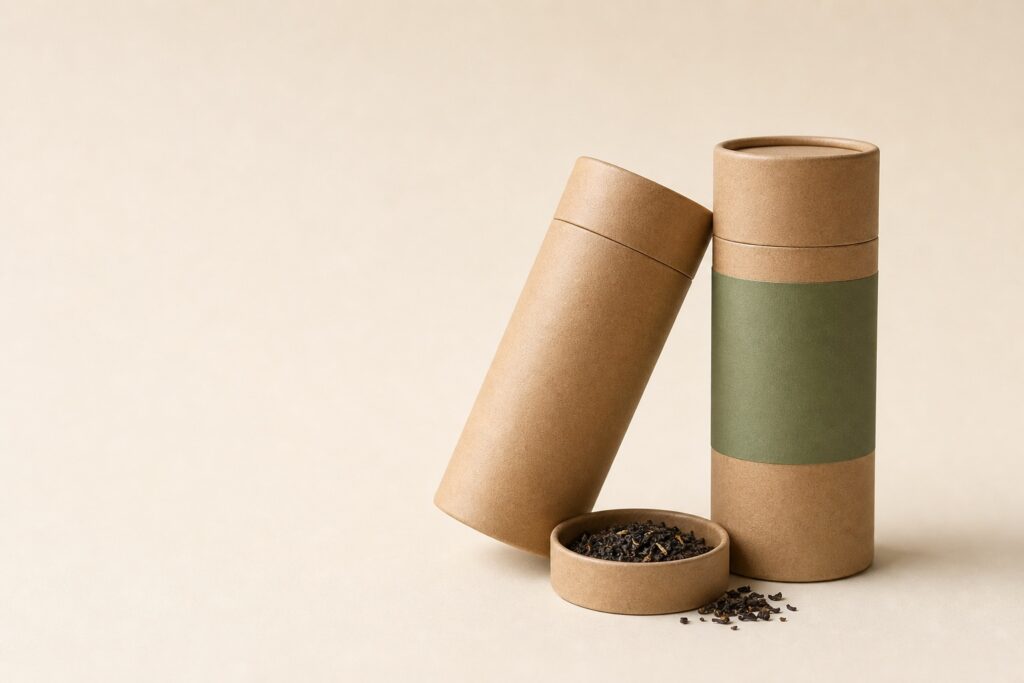
Outer Wrap & Print SurfaceKraft, coated, specialty or textured papers create the visible finish and carry printed graphics, foil, embossing and protective surface treatments.
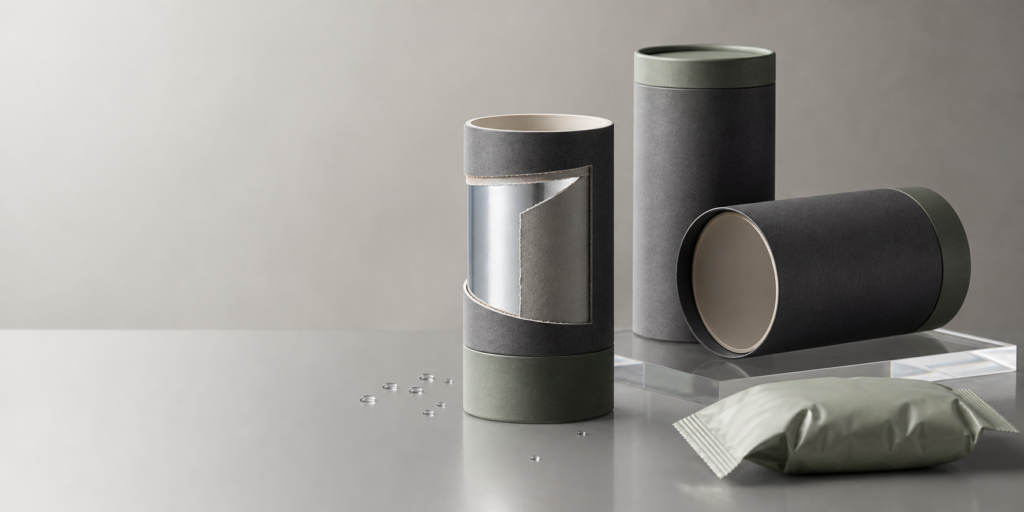
Inner Liner & BarrierPaper, film or foil-based liners may support moisture, grease, aroma or light protection. The required barrier depends on the product and how it is packed inside the tube.
Adhesives, Closures & InsertsAdhesives, lids, bases and inserts must work with the tube body, filling method, product contact conditions and intended opening experience.
Match Materials to Product RisksStart with what could damage the product. Then select a practical combination of structure, liner, inner pack and closure instead of relying on a single material claim.
Moisture & HumidityDefine whether the package faces occasional splashes, humid storage or direct product moisture. Water resistance and waterproof performance are not the same.
Food Contact & CleanlinessClarify whether food touches the tube directly or remains in a sealed inner bag. Materials and documentation must match the actual contact scenario and destination market.
Aroma, Oil & LightTea, coffee, powders, cosmetics and other sensitive products may need aroma retention, grease resistance or light blocking through a liner or separate primary pack.
Appearance & SustainabilityNatural kraft, premium specialty papers and coated surfaces offer different visual results. Sustainability claims should reflect the complete structure, not only the paper exterior.
What Buyers Should SpecifyClear product information allows the factory to compare suitable materials, explain trade-offs and prepare a more accurate sample and quotation.
Product & Contact ConditionShare the contents, fill state, weight, dimensions and whether the product directly contacts the tube, a liner or a sealed inner package.
Protection Target & Shelf LifeState the risks to control, expected shelf life, storage environment, shipping route and whether any sealing or tamper-evident feature is required.
Market & DocumentationIdentify the destination country, applicable customer standards and the exact certificates, test reports or declarations required before production.
Finish & End-of-Life GoalConfirm artwork, print finish, desired appearance and whether recyclability, recycled content or plastic reduction is a project priority.
Material & Packaging ResourcesUse these focused pages to compare common options and understand where additional testing or documentation may be necessary.
Food-Grade PackagingReview structures, contact scenarios and specification points for tea, coffee, powders and other food products. Explore food-grade tubes →
Kraft Paper Tube OptionsCompare natural kraft aesthetics, custom printing and structural choices for retail and shipping applications. View kraft paper tubes →
Moisture & Barrier DesignUnderstand water-resistant versus waterproof expectations and common liner or sealed inner-pack approaches. Read the barrier guide →
Need help choosing a material structure?Send your product details, target market, protection requirements, quantity and visual reference so our team can review suitable options. Discuss your project →
Materials GuidesExplore practical guidance on waterproofing, food safety, liners, barrier options and paperboard choices.