
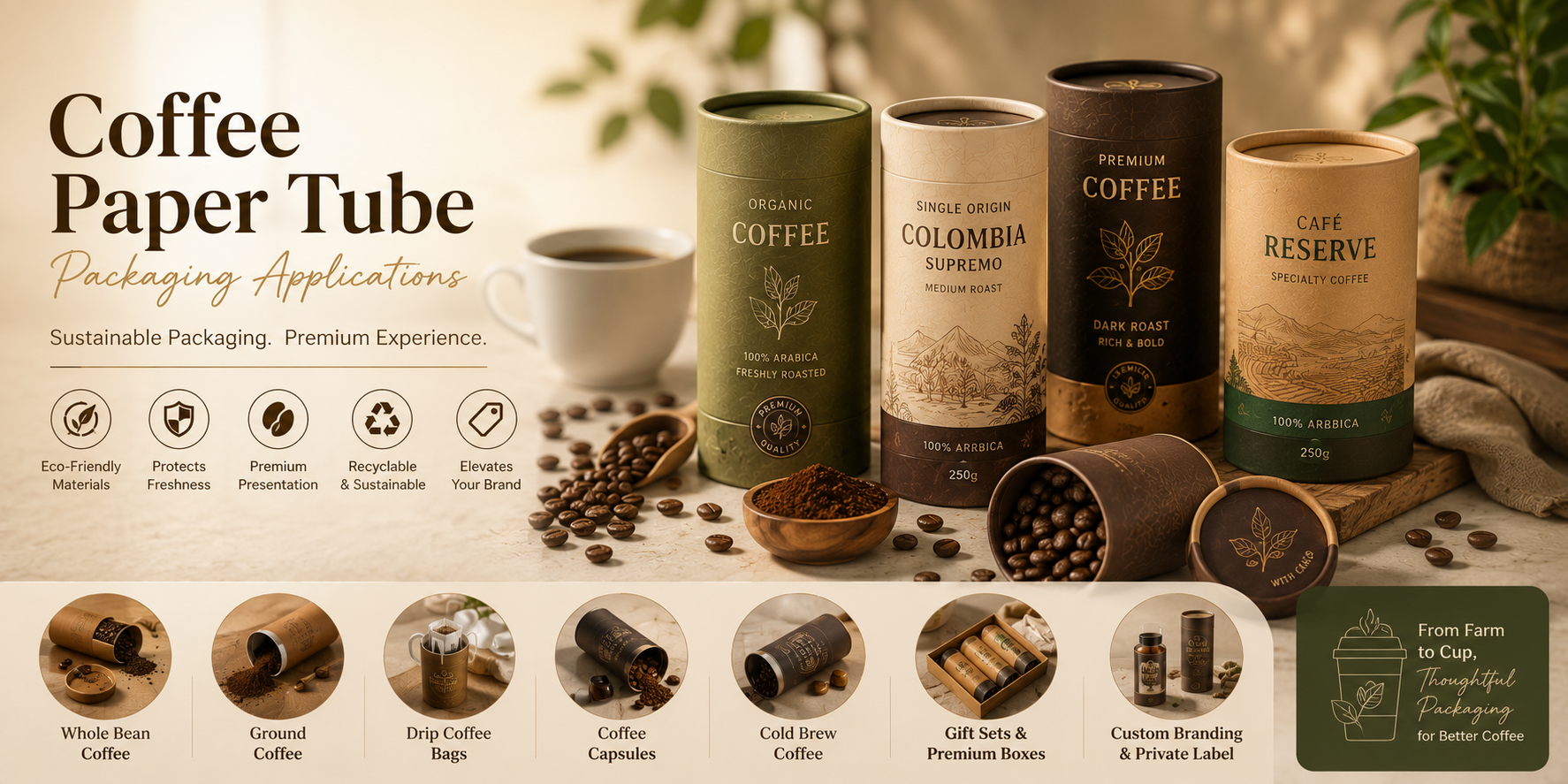
Food Grade Coffee Packaging Built Around Freshness
XinHe manufactures custom coffee paper tube packaging for roasted coffee beans, ground coffee, instant coffee, drip coffee bags, capsules, sample packs and coffee gift sets. A coffee paper tube should not only look premium on the shelf. It should help buyers make the right freshness, barrier, valve, size, printing and export packing decisions before sampling.
For coffee packaging projects, the most important question is not whether the paper tube looks beautiful. The real question is whether the complete packaging structure can protect aroma, reduce moisture risk, support shelf life, survive export shipping and match the brand’s retail positioning.
Suitable For
- Coffee beans
- Ground coffee
- Drip coffee bags
- Instant coffee
- Coffee capsules
- Sample packs
- Specialty coffee gift sets
Common Buyer Requirements
- Food grade inner material review
- Aluminum barrier or sealed inner bag
- Moisture and aroma protection
- One-way valve option
- OEM printing and free dieline support
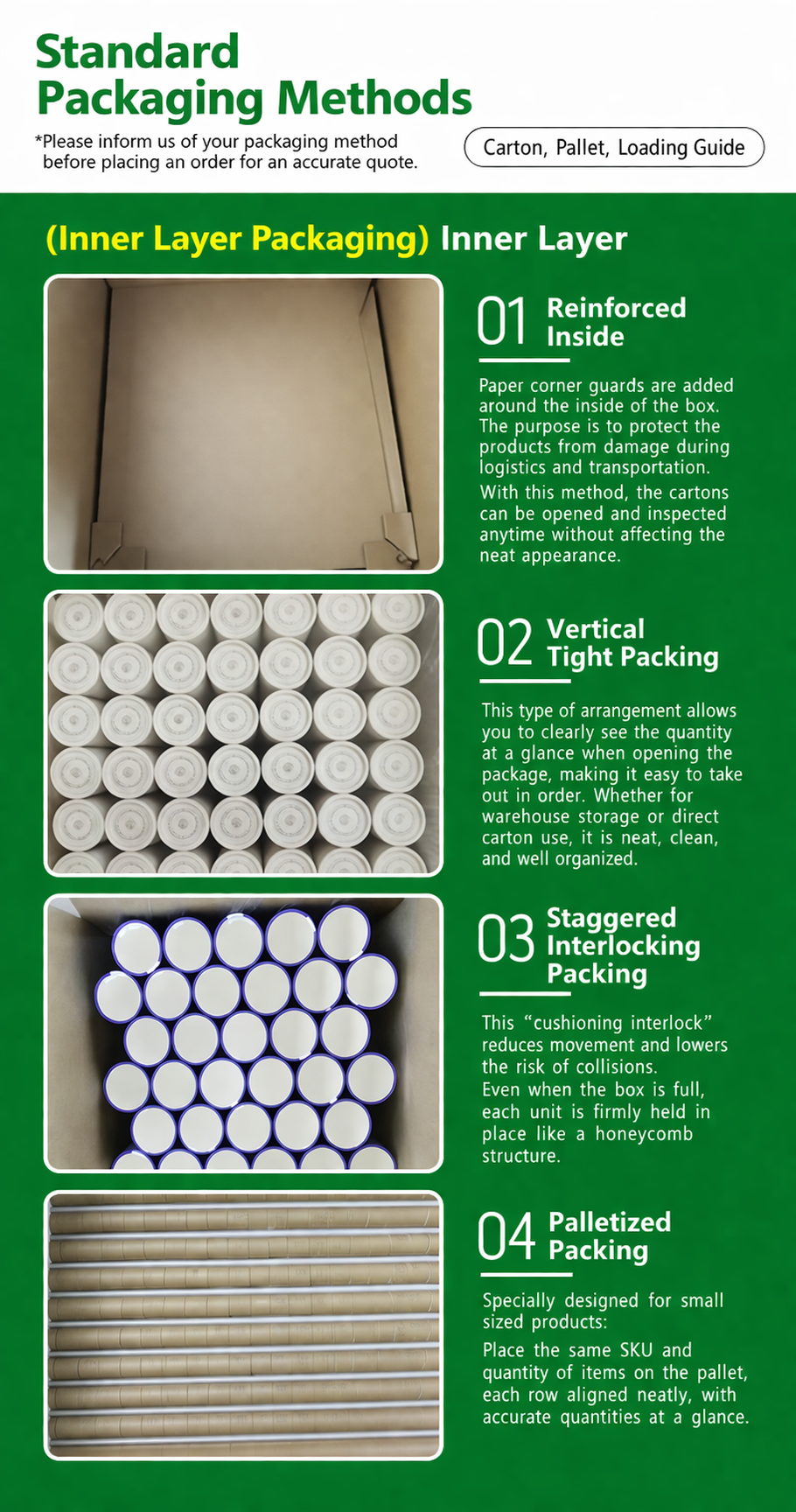
- Export carton and shipment protection
- Quotation and sample review before bulk order
Quick Buyer Summary
| Best applications | Coffee beans, ground coffee, drip coffee, instant coffee, capsule gift sets and specialty coffee launches. |
|---|---|
| Most common structure | Rigid paper tube plus sealed coffee bag, foil liner, food-grade inner liner or easy peel lid depending on shelf-life target. |
| Freshness focus | Aroma retention, moisture control, oxygen barrier, light protection and degassing valve planning. |
| Branding options | Kraft paper, white paper, full-color printing, Pantone color, foil stamping, embossing, spot UV, matte or soft-touch finish. |
| Factory support | Structure review, free dieline, sample development, food-contact document review, QC and export packing. |
Common Coffee Packaging Challenges
Coffee packaging has different requirements from many other dry food packages. Roasted coffee loses aroma after roasting, ground coffee is more exposed to oxygen, and export shipping can introduce humidity, pressure and handling risk. A strong coffee packaging page should answer these buyer concerns directly.
| Buyer Challenge | Why It Matters | Recommended Packaging Response |
|---|---|---|
| Aroma loss after roasting | Coffee flavor depends heavily on volatile aroma compounds. | Use a foil liner, sealed foil inner bag or higher-barrier inner structure. |
| Moisture exposure | Humidity can reduce quality and shelf life. | Review aluminum barrier, PE or PLA liner, inner bag and tight lid fit. |
| Oxygen exposure | Oxygen affects roasted coffee freshness and flavor stability. | Choose sealed inner packaging or a liner system suitable for the shelf-life target. |
| Degassing after roasting | Freshly roasted coffee releases gas and can inflate sealed packs. | Review one-way valve placement on the bag, lid or selected tube structure. |
| Light exposure | Light can affect flavor and product quality over time. | Use an opaque paper tube and suitable inner barrier for retail display. |
| Export shipping pressure | Long-distance transport can damage weak tubes or loose lids. | Confirm wall thickness, lid fit, carton packing, pallet method and drop risk. |
| Repeat order consistency | Roasters need stable color, size, lid feel and barcode placement. | Control artwork files, Pantone references, size tolerances and inspection points. |
Suitable Coffee Products
Different coffee products need different packaging decisions. The same tube appearance can hide very different liner, sealing and sizing requirements.
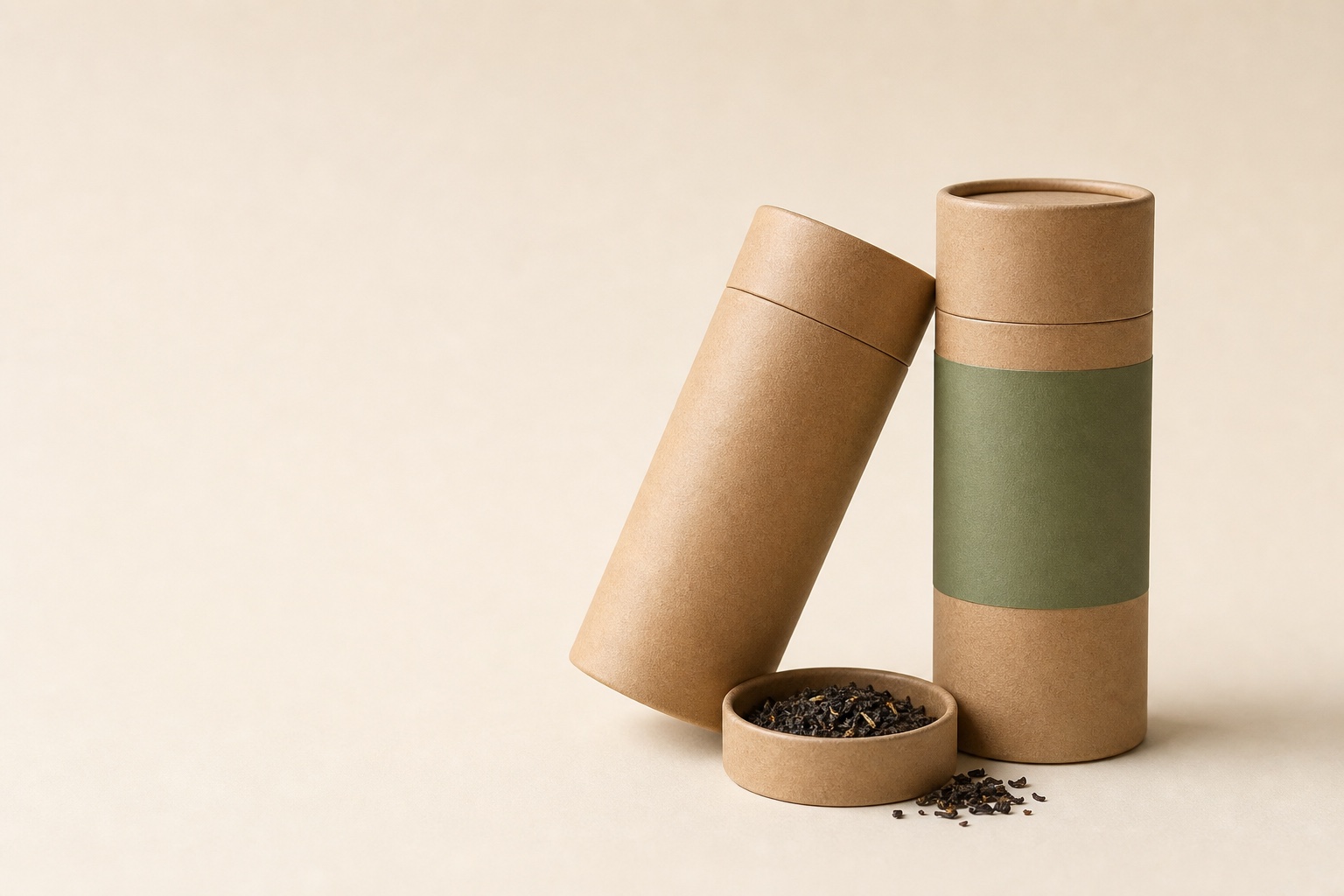
- Coffee beans: often need aroma protection, moisture control and optional degassing valve review.
- Ground coffee: usually needs stronger oxygen and aroma protection because more surface area is exposed.
- Instant coffee: often focuses on moisture protection, scoop or sachet planning and clean retail display.
- Drip bag coffee: works well in sample tubes, subscription packs and gift packaging.
- Coffee capsules: may need inserts, dividers or gift-set structures to control movement.
- Coffee gift sets: can combine tubes, inserts, labels, sleeves, tasting cards and premium finishes.
Recommended Coffee Tube Structures
A coffee paper tube is usually a packaging system. The outer tube creates shelf presence and structural protection. The inner liner, bag, lid or valve system protects freshness. Review food-contact materials and liner selection before approving the coffee pack. XinHe helps buyers choose the correct structure before sample making.
| Structure | Best For | Buyer Notes |
|---|---|---|
| Paper tube plus sealed inner coffee bag | Coffee beans, ground coffee, specialty roasters | Most practical option when shelf life and aroma protection matter. |
| Foil-lined paper tube | Premium beans, ground coffee, higher barrier needs | Requires liner, lid and sealing review for the exact filling process. |
| Paper tube with easy peel lid | Selected food and coffee canister projects | Good for retail opening experience, but needs diameter and sealing confirmation. |
| Paper tube with one-way valve review | Freshly roasted beans | Valve position depends on the selected primary barrier structure. |
| Paper tube as gift outer packaging | Drip bags, sample packs, capsule sets, holiday gifts | Focuses on presentation, insert planning and export protection. |
Coffee Tube Cross Section
A simple cross-section helps buyers understand where each material works. The exact order can change by project, but the decision logic is the same: printing and paper create the brand surface, while the inner barrier manages freshness.
| Layer | Purpose | Coffee Packaging Decision |
|---|---|---|
| Printed outer paper | Brand design, origin story, roast level, barcode and retail shelf impact | Choose kraft, white, coated or specialty paper. |
| Surface finish | Matte, gloss, soft-touch, foil, embossing or spot UV effect | Match the finish to specialty, luxury, organic or gift positioning. |
| Greyboard body | Tube strength, shape stability and export protection | Confirm wall thickness based on size, weight and shipment route. |
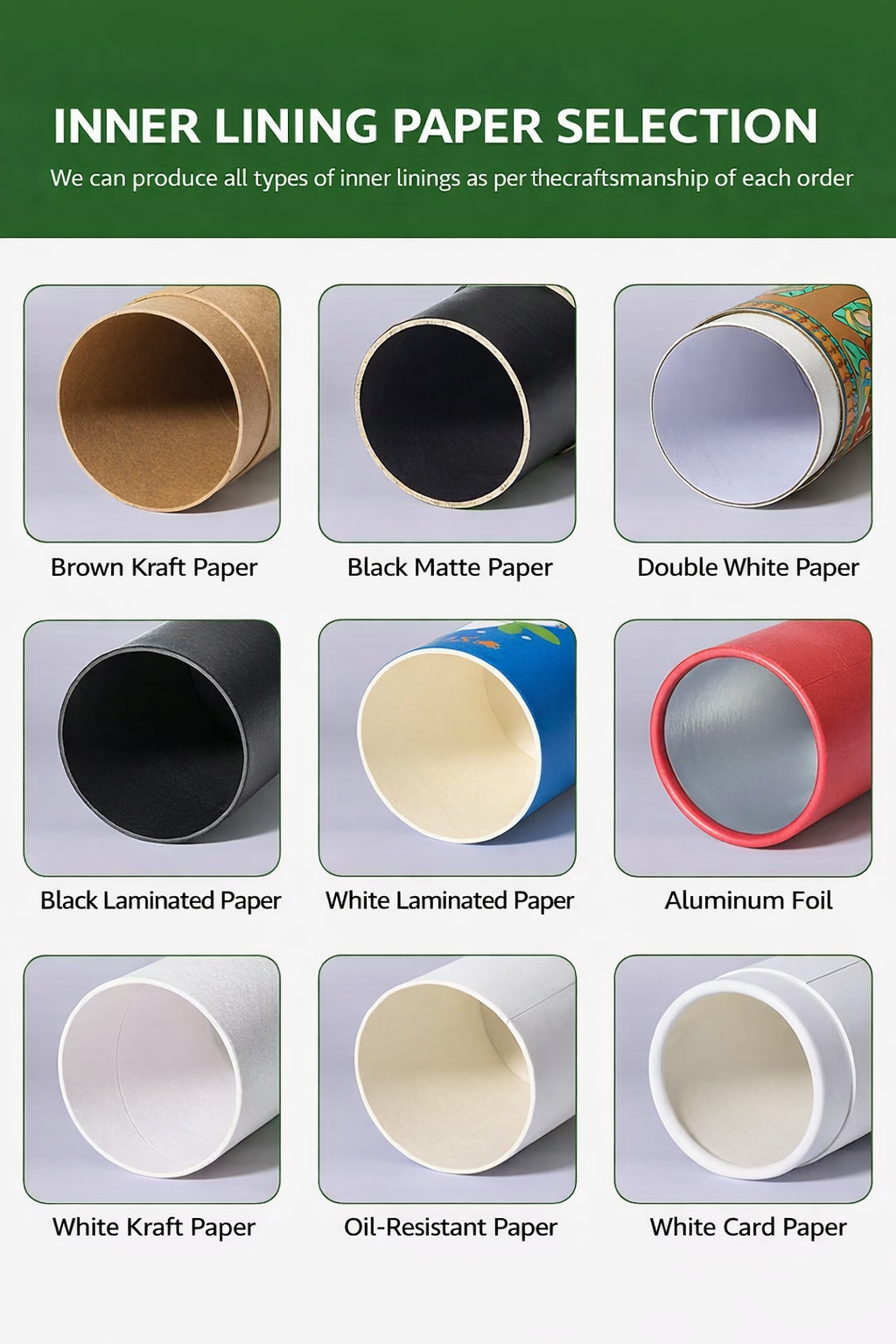
| Barrier layer | Aroma, oxygen, moisture and light protection | Review aluminum foil, PE, PLA, grease-resistant paper or inner bag. |
| Food-grade inner contact layer | Separates coffee from paperboard when direct-contact packaging is needed | Confirm material documents and destination market requirements. |
| Closure system | Lid fit, easy opening, sealing impression and freshness support | Choose paper lid, metal lid, easy peel lid, inner bag seal or combined closure. |
| Optional one-way valve | Allows gas release while limiting outside air entry | Review only when roasted coffee degassing requires it. |
Barrier and Freshness Protection Options
Barrier selection is the heart of coffee packaging. A paper-only tube is usually not enough for roasted coffee freshness. The correct choice depends on roast date, filling method, shelf life, whether the coffee is whole bean or ground, and whether the tube is primary or secondary packaging.
| Barrier Option | When to Use | Buyer Notes |
|---|---|---|
| Food grade aluminum liner | Higher aroma, moisture and light protection | Common for premium coffee tube and coffee paper canister projects. |
| Aluminum foil inner bag | Beans or ground coffee needing reliable shelf-life protection | Often the safest structure when the tube is a branded outer canister. |
| PLA liner | Brands seeking a more sustainability-oriented liner discussion | Barrier performance must be checked against coffee shelf-life needs. |
| PE liner | Moisture control and selected food-contact structures | Useful but may not be enough alone for aroma-sensitive coffee. |
| Grease-resistant paper | Dry products with lower barrier demands | Usually not the main solution for roasted coffee freshness. |
| Easy peel lid | Paper canister opening and retail experience | Needs sealing equipment, diameter and shelf-life review. |
| One-way valve | Freshly roasted coffee beans | Review valve location, filling timing and sealing method before sampling. |
Recommended Coffee Paper Tube Sizes
The size below is a starting reference. Final dimensions should be confirmed with the coffee net weight, bean density, grind type, inner bag thickness, lid clearance, label area and carton packing method.
| Coffee Product | Suggested Tube Size | Common Structure | Notes |
|---|---|---|---|
| 100 g coffee beans | 70 x 120 mm | Tube plus sealed inner bag | Good for samples, specialty launches and subscription packs. |
| 250 g coffee beans | 90 x 180 mm | Foil inner bag or foil-lined tube | Popular retail size for roasters and private label brands. |
| 500 g coffee beans | 100 x 250 mm | Reinforced tube plus inner barrier bag | Review wall thickness and carton strength for shipping. |
| Ground coffee | 90 x 150 mm | Higher-barrier inner bag or foil liner | Ground coffee usually needs stronger oxygen and aroma protection. |
| Drip coffee bags | Custom | Tube with insert or loose sachet packing | Confirm sachet count and display orientation. |
| Coffee capsules | Custom | Tube with divider or insert | Confirm capsule count, movement control and gift-set layout. |
| Coffee gift set | Custom | Tube, insert, sleeve or multi-pack box | Works for origin samplers, holiday sets and premium retail kits. |
Printing and Finishes for Coffee Brands
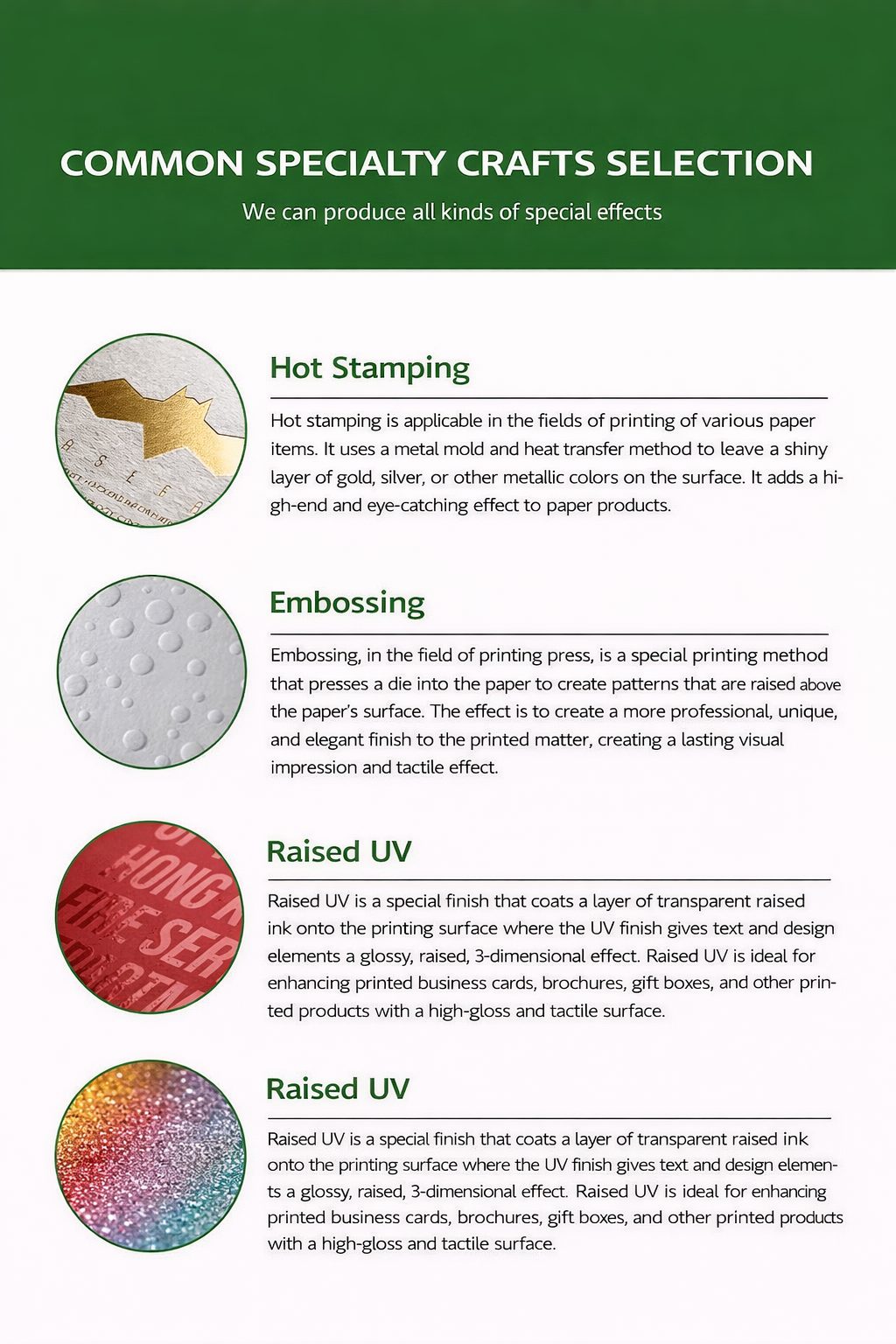
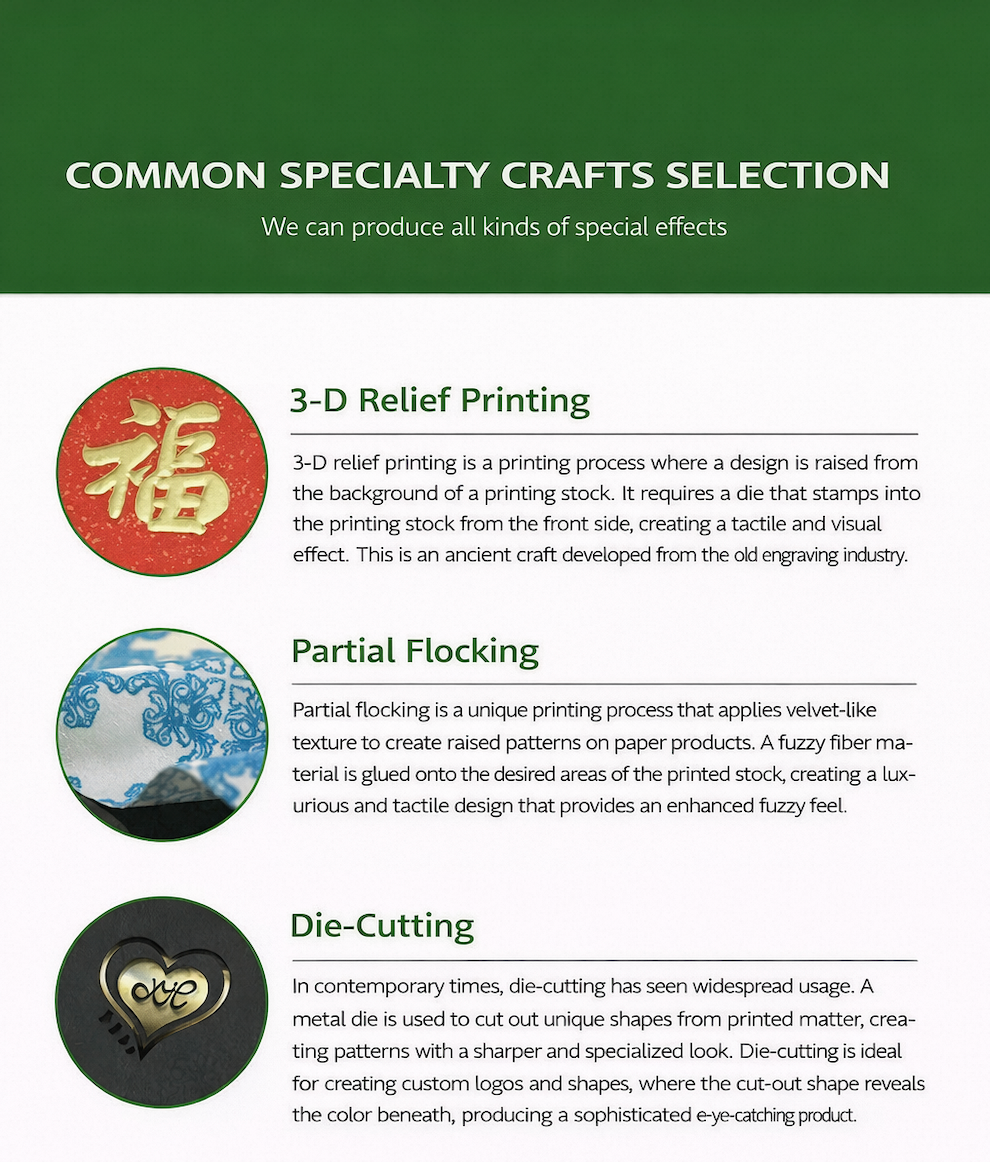
Coffee packaging needs to communicate origin, roast level, tasting notes and brand personality quickly. XinHe supports CMYK printing, Pantone color matching, kraft paper, white paper, specialty paper, matte lamination, gloss lamination, soft-touch finish, foil stamping, embossing, debossing, spot UV and label-ready zones.
| Brand Position | Material and Finish Direction | Artwork Notes |
|---|---|---|
| Organic or natural coffee | Kraft paper, matte finish, simple black or earth-tone printing | Leave room for roast date, origin and certification marks. |
| Specialty roaster | White or coated paper, Pantone color, clean typography | Highlight origin, altitude, process, tasting notes and batch label. |
| Luxury coffee gift | Specialty paper, foil stamping, embossing and soft-touch finish | Use insert, tasting card and premium unboxing details. |
| Private label coffee | Full-color print, barcode zone and flexible label system | Plan SKU variants for beans, ground coffee and flavor series. |
Coffee Packaging Gallery and Use Cases
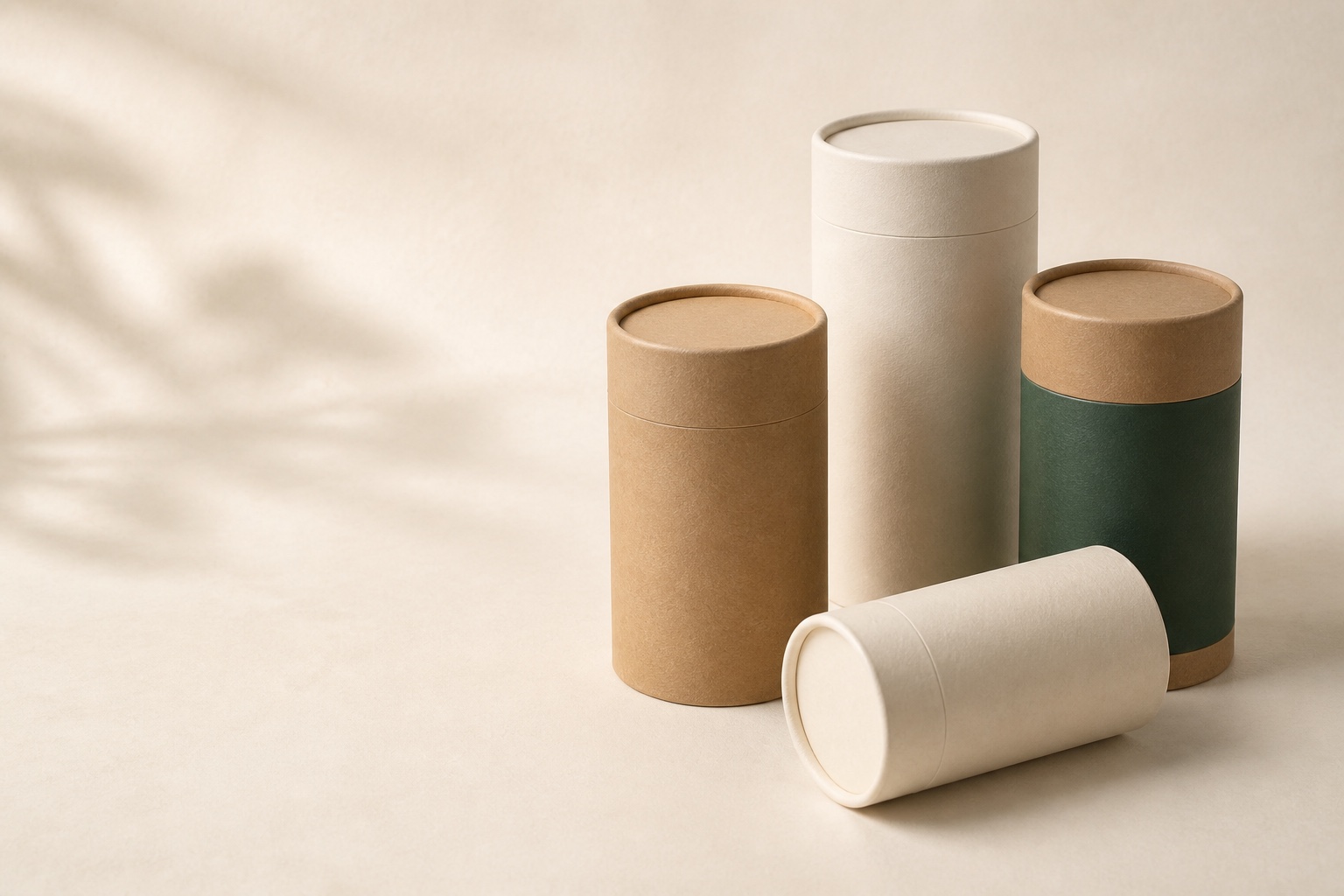
Use-case images help buyers connect the structure to the real purchasing scenario. Coffee paper tubes can be positioned as retail canisters, specialty roaster packs, gift tubes, subscription packaging or outer packaging for sealed coffee bags.
Manufacturing Process
A clear process reduces delays and keeps the coffee packaging structure connected to the product. XinHe starts with the coffee type and shelf-life target before recommending tube size, liner, lid, valve and finish.
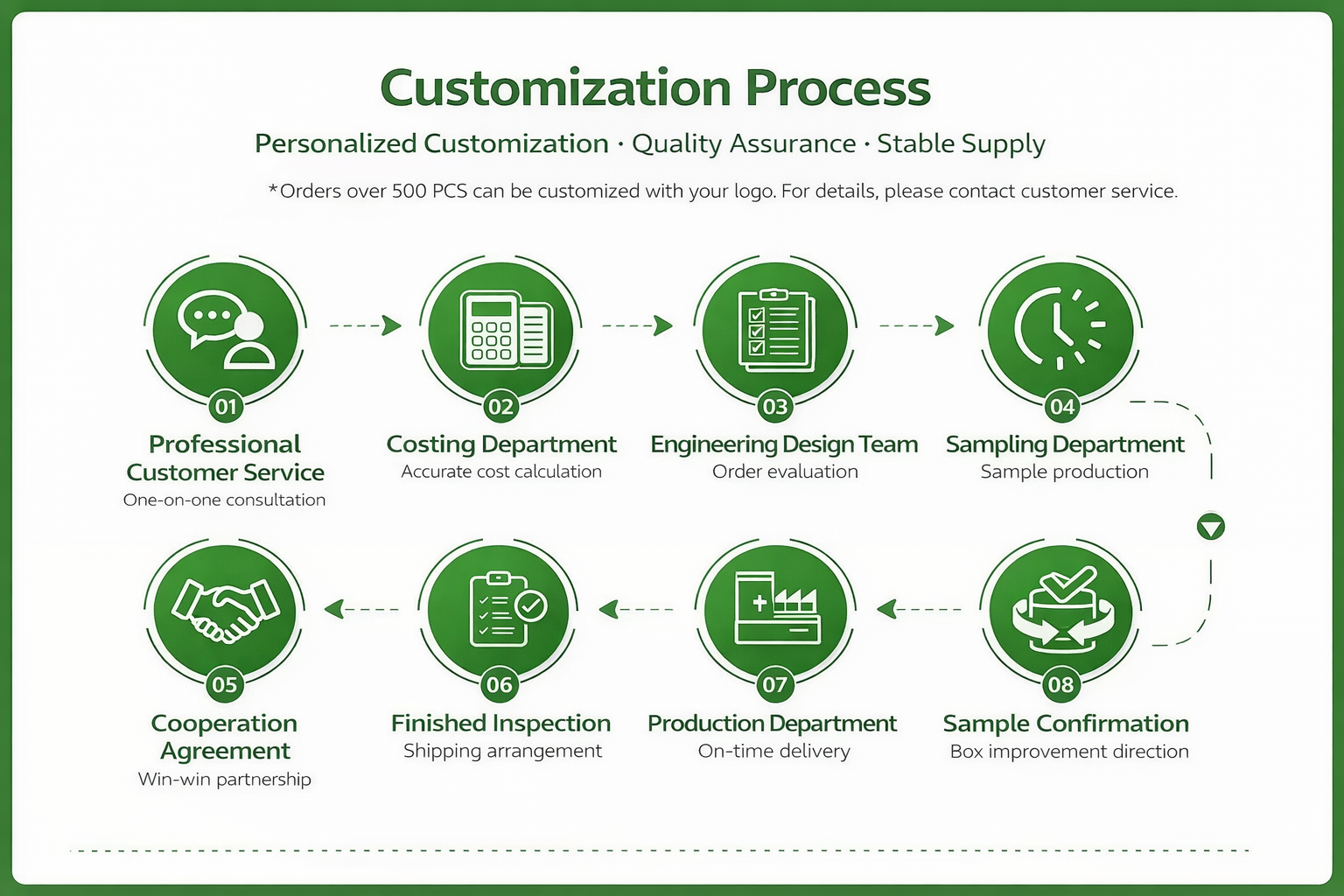
- Share coffee details: beans, ground coffee, instant coffee, drip bags, capsules or gift set format.
- Confirm freshness needs: roast date, shelf life, moisture risk, oxygen barrier, aroma protection and degassing.
- Select tube structure: inner bag, foil liner, food-grade liner, easy peel lid, valve option, insert or outer tube only.
- Confirm size and dieline: net weight, diameter, height, lid clearance, label area, barcode and carton quantity.
- Review artwork and finishes: CMYK, Pantone, kraft, matte, foil, embossing, spot UV and SKU variation control.
- Approve sample: test product fit, lid fit, opening feel, valve position, appearance, carton packing and shipping protection.
- Bulk production and inspection: control material, color, size, liner condition, lid fit, finish quality and export packing.
Coffee Packaging Project Examples
Even when customer logos cannot be shown, project-style examples help buyers understand how structure changes by market and application.
| Project | Tube Direction | Key Requirement | Buyer Lesson |
|---|---|---|---|
| Australia specialty coffee brand | 250 g coffee bean tube with sealed foil inner bag | Aroma protection and premium shelf display | Use the tube as a strong branded outer canister when shelf life matters. |
| USA private label coffee | Custom printed coffee paper canister with barcode and label zone | SKU consistency and repeat order color control | Plan artwork templates before launching multiple roast variants. |
| Japan coffee gift set | Small tubes for drip coffee sachets and origin sampler packs | Gift appearance and insert planning | Packaging should protect sachets and create a clean unboxing sequence. |
| Middle East premium coffee | Luxury coffee gift tube with foil stamping and soft-touch finish | Premium presentation and export carton protection | High-end finishes need early sample approval and carton packing review. |
Factory Evidence and Quality Review
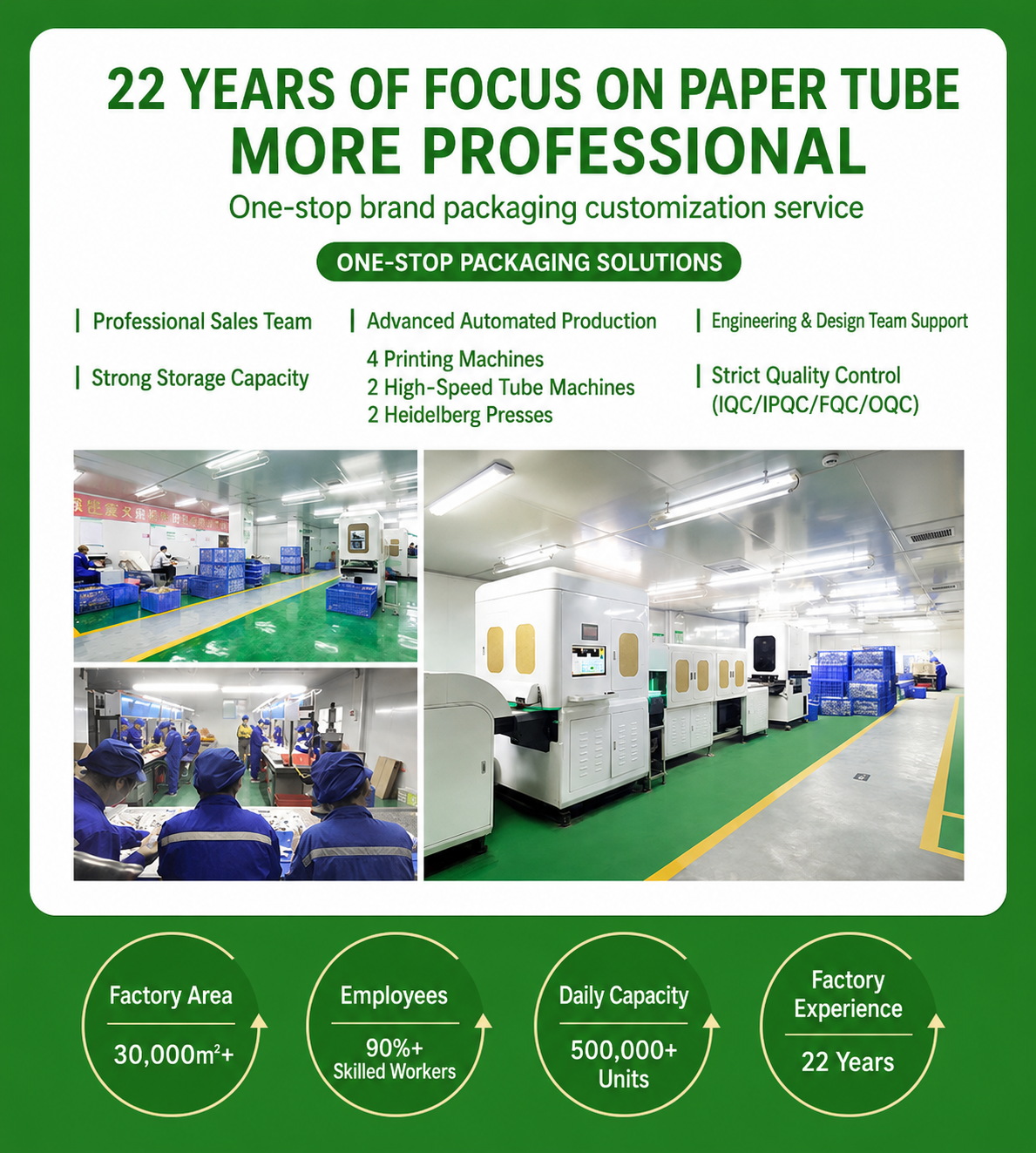
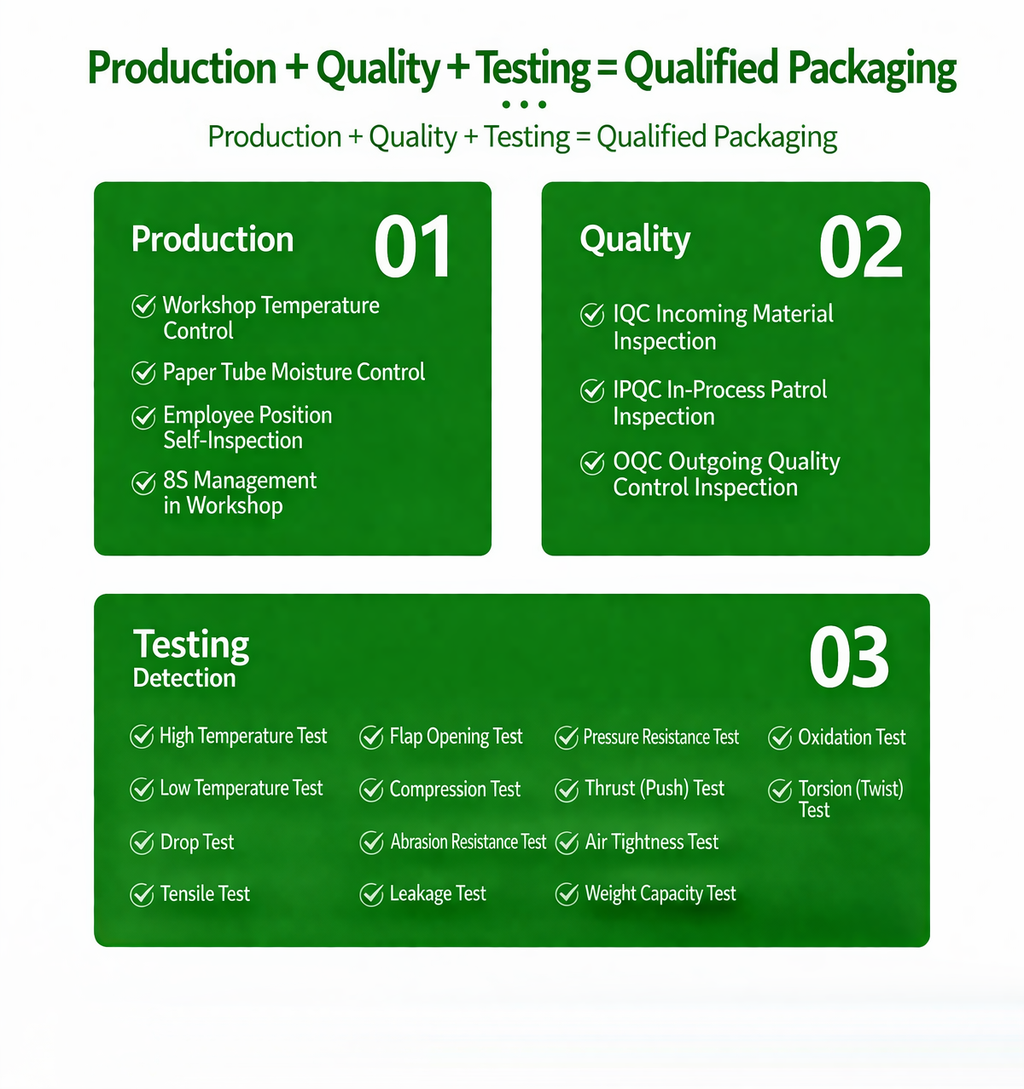
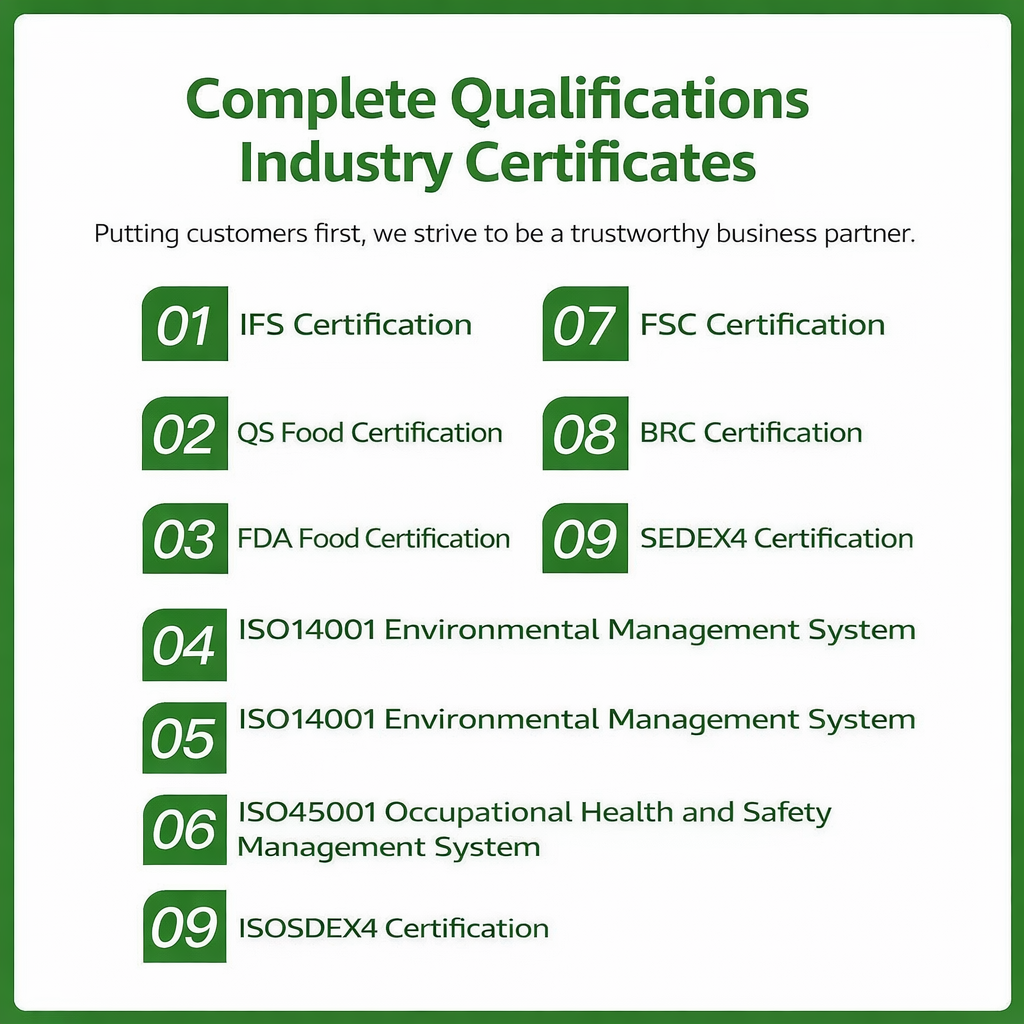
For coffee packaging buyers, factory evidence matters because freshness claims depend on real structure control. XinHe reviews material selection, tube forming, lid fitting, liner condition, printing color, surface finish, odor when needed, carton packing and export shipment protection. Certification references such as FSC, BRC, ISO, SGS or food-contact material documents can be discussed based on the exact structure and destination market.
Related Coffee and Food Packaging Resources
- Food Grade Paper Tube Packaging
- Tea Paper Tube Packaging
- Protein Powder Paper Tube Packaging
- Chocolate Paper Tube Packaging
- Kraft Paper Tube Packaging
- Paper Tubes for Coffee Buying Guide
- Paper Tube Liners and Barrier Options
- Factory Tour
- Certifications and Compliance
Coffee Paper Tube Packaging FAQ
Can paper tubes keep coffee fresh?
Paper tubes can support coffee freshness when the correct barrier is selected. For roasted coffee, the barrier usually comes from an aluminum foil liner, sealed inner bag, easy peel lid, or valve bag inside the tube rather than plain paperboard alone.
Can you add a one-way degassing valve?
Yes. A one-way valve can be reviewed for coffee projects where roasted beans release gas after roasting. The valve position depends on whether the coffee is packed directly with a liner system or inside a sealed inner bag.
Are coffee paper tubes food safe?
They can be developed with food-grade inner materials. Buyers should confirm the exact food-contact layer, liner, inner bag, sealing method and destination market documents before mass production.
What liner is recommended for coffee beans?
For roasted coffee beans, aluminum foil liner or an aluminum foil inner bag is commonly used because coffee needs aroma, oxygen, moisture and light protection. The final choice depends on shelf life and filling method.
What liner is recommended for ground coffee?
Ground coffee has a larger exposed surface area and usually needs stronger aroma and oxygen protection than whole beans. A foil-laminated inner bag or foil-lined tube with suitable sealing should be reviewed.
Can paper tubes replace metal coffee cans?
Paper tubes can replace metal cans for many premium retail, gift and specialty coffee programs when the structure, liner and sealing method meet the shelf-life requirement. For long shelf life, testing is recommended.
Can the tube be used as primary packaging?
It depends on the liner and closure. Many coffee projects use the paper tube as a branded outer canister around a sealed coffee bag. Direct primary packaging requires a stronger food-contact and barrier review.
Can you make coffee gift set packaging?
Yes. Coffee paper tubes can be customized for single-origin gift sets, sampler packs, drip coffee kits, capsule collections and holiday coffee packaging with inserts, labels and premium finishes.
Can you print roast level, origin and tasting notes?
Yes. Artwork can include roast level, origin, flavor notes, barcode, QR code, brewing instructions, ingredients, importer information and private-label brand graphics.
Can you print inside the coffee paper tube?
Inside printing can be reviewed for gift packaging and premium unboxing, especially when the coffee is protected by an inner bag. Food-contact areas should be checked separately.
What is the MOQ for custom coffee paper tubes?
MOQ depends on diameter, height, paper material, liner, lid, printing, finish, tooling and quantity. XinHe confirms MOQ after reviewing the size, structure and artwork.
What is the sample lead time?
Sample lead time depends on structure complexity, artwork, printing, liner and finishing. Simple paper tube samples are faster than foil-lined, valve, insert or special-finish samples.
Can you supply easy peel lids?
Easy peel lid options can be reviewed for selected food and coffee paper canister structures. The final solution depends on diameter, filling process, sealing equipment and shelf-life target.
Can you export coffee packaging to the USA or Europe?
Yes. XinHe supports export packing and document review for overseas buyers. Buyers should share the destination country and required food-contact, FSC, BRC, ISO or retailer documents early.
What information should I send for a quote?
Send coffee type, net weight, target tube size, filling method, shelf-life target, liner preference, artwork, quantity, destination country, certificate needs and launch date.
Need Coffee Packaging Samples?
Send your coffee type, net weight, shelf-life target, target tube size, artwork, liner preference, order quantity and destination country. XinHe can review the structure, provide a free dieline, recommend a barrier direction and prepare a quotation for custom coffee paper tube packaging.
- Free structure and product-fit review.
- Free dieline for artwork preparation.
- Food grade liner, inner bag, foil barrier and valve review.
- Sample development before bulk production.
- Quotation support within 24 hours after key details are confirmed.
- Factory-direct production, inspection and export packing.
Request a Coffee Packaging Sample or contact XinHe on WhatsApp.