XinHe Packaging is a factory-direct manufacturer specializing in custom paper tube packaging for cosmetics, food, tea, coffee, apparel, personal care, candles, gifts and premium consumer products. This factory tour shows how paper tubes are printed, formed, curled, assembled, inspected, packed and prepared for export, so overseas buyers can judge the manufacturing evidence behind a quotation.
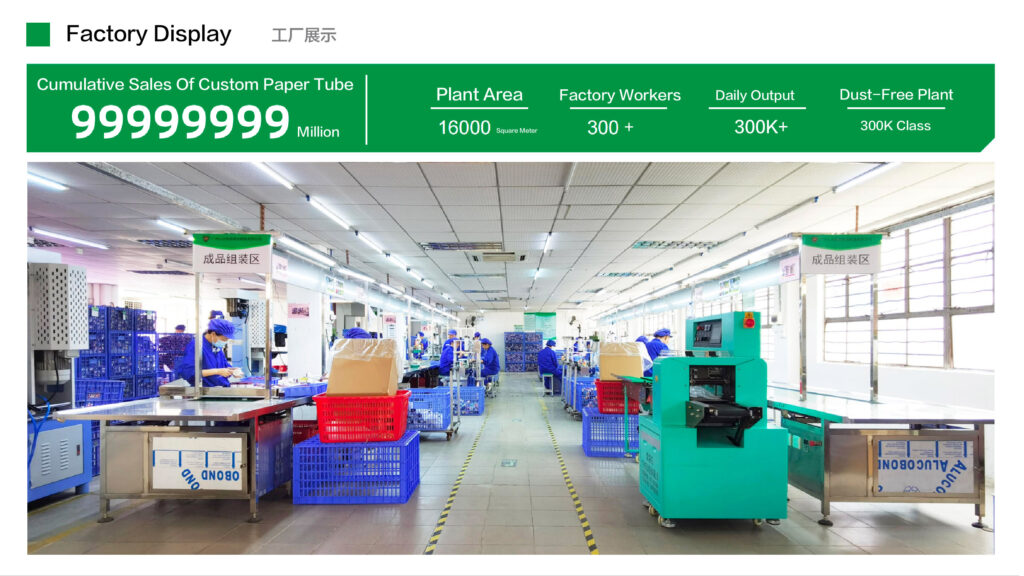
Located in Guangzhou, China, Xinhe focuses on paper tube packaging production rather than simple trading. Factory materials highlight 22 years of paper tube manufacturing focus, 30,000m2+ factory area, 90+ skilled workers, 500,000+ units daily capacity, 4 printing machines, 2 high-speed tube machines and 2 Heidelberg presses. The factory also includes production workshops, a 12,000m2+ warehouse and storage area, a testing laboratory, office support and a product showroom for sample review.
For a buyer, a factory tour should answer one core question: can this supplier really make the structure, print quality, strength, food-contact requirement and export packing your product needs? The sections below are organized around that question. You can review the manufacturing process, quality checkpoints, equipment, certifications, product applications and related sourcing pages before sending drawings, artwork or product dimensions.
Factory Statistics
| Factory focus | Custom paper tube packaging for food, cosmetics, tea, coffee, personal care, apparel, candles, gifts and retail products. |
|---|---|
| Experience | 22 years focused on paper tube packaging manufacturing and one-stop brand packaging customization. |
| Factory area | 30,000m2+ factory area with workshops, warehouse, office area, laboratory and showroom. |
| Team | 90+ skilled workers supported by sales, engineering, design, production and quality teams. |
| Capacity | 500,000+ units daily capacity, depending on size, structure, printing, finish and order mix. |
| Equipment | 4 printing machines, 2 high-speed tube machines, 2 Heidelberg presses, automatic edge rolling and assembly support. |
| Quality system | IQC, IPQC, FQC and OQC checks across incoming materials, production, finished goods and outgoing shipment. |
| Documents | Certification references include FSC, ISO, BRC, IFS and food packaging related documents according to project needs. |
Factory Video
Buyers who cannot visit in person can start with a factory video, then request current workshop photos, production samples, packing photos or a video call for their exact project. A useful video audit should not only show machines; it should also show material storage, workers, production flow, testing, packing and sample records.
Inside Our Manufacturing Facility
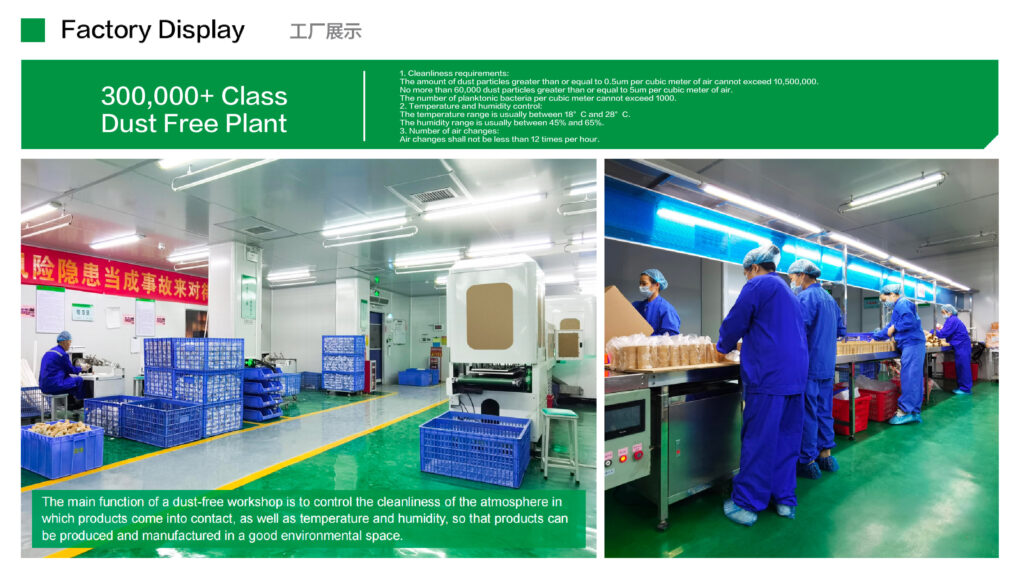
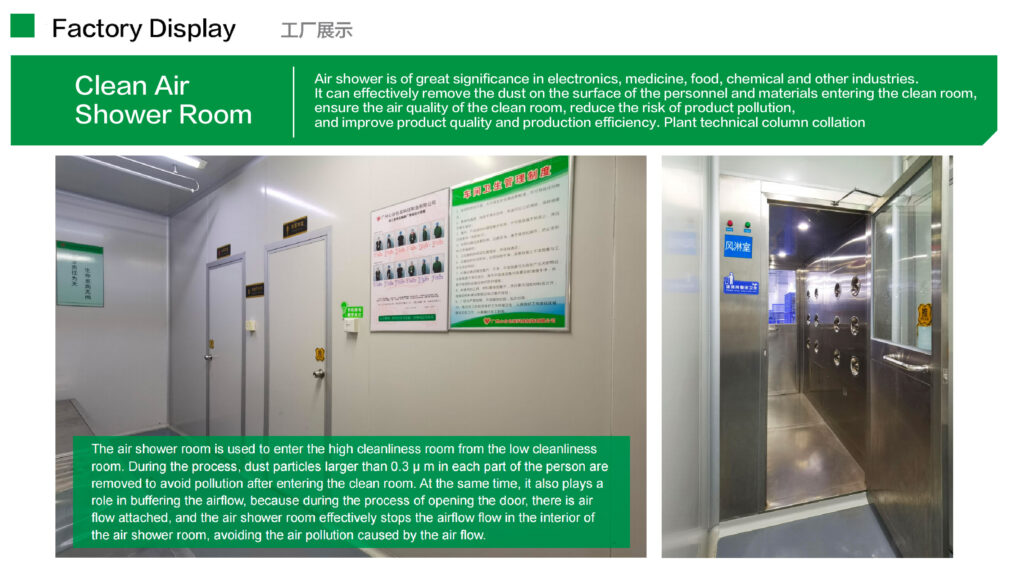
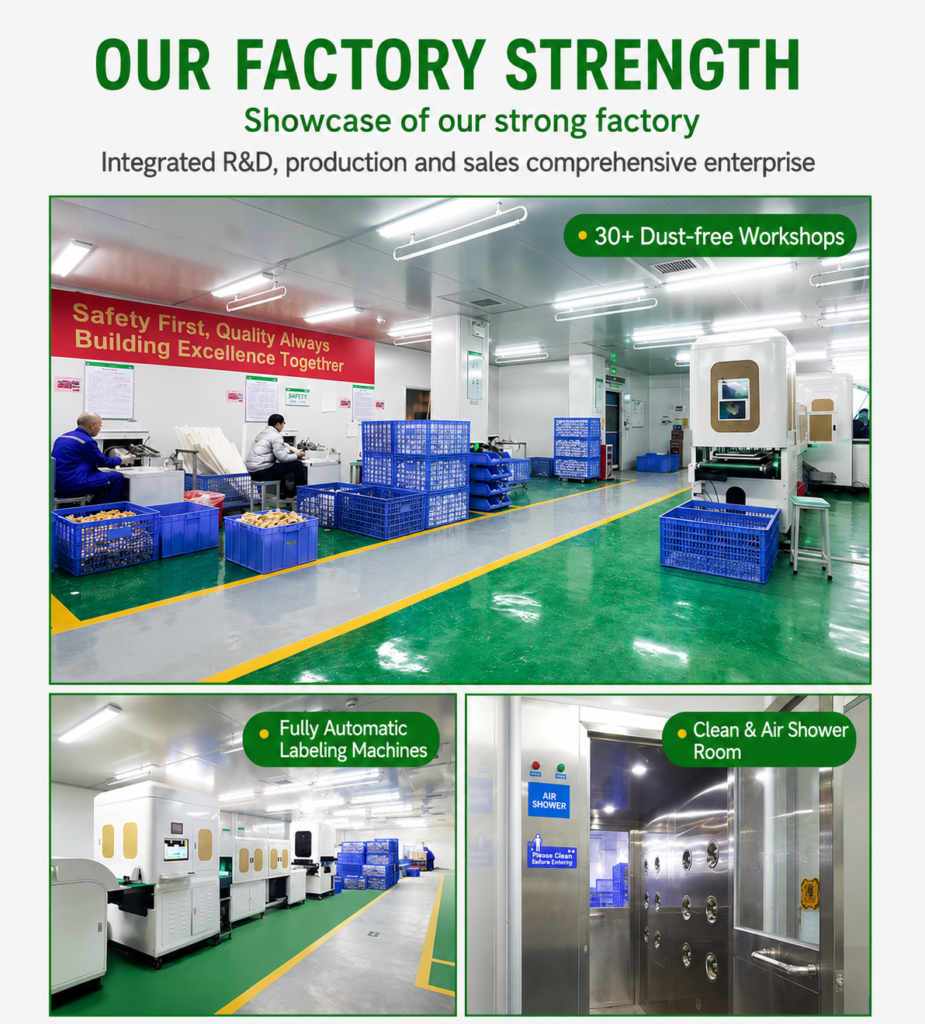
The factory is organized around practical production zones: printing, paperboard preparation, tube winding, cutting, curling, assembly, quality inspection, warehouse storage and export packing. This layout helps the team move from approved artwork to repeatable bulk production while keeping important checks visible at each stage.

The 12,000m2+ warehouse and storage area supports paperboard, printed sheets, semi-finished tubes, finished goods and export cartons. Storage control matters because paper packaging can be affected by humidity, pressure, odor and handling damage. For food, tea, coffee, cosmetics and personal care projects, storage conditions and carton packing should be discussed together with tube structure and liner requirements.
How Custom Paper Tubes Are Made
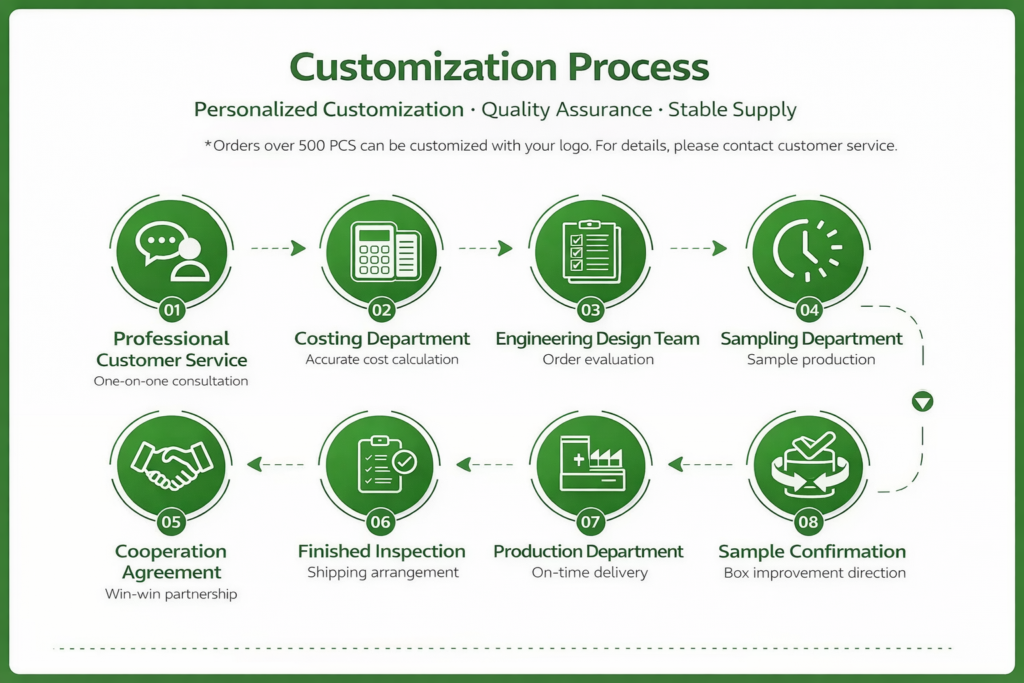
A strong factory tour should show the manufacturing process from artwork to shipment. Custom paper tube packaging is not only a printed cylinder. Each project requires decisions about diameter, inner height, wall thickness, lid style, liner, insert, wrap paper, label area, finish, carton packing and transportation risk. Xinhe reviews these details before sample development so the structure can be manufactured consistently in bulk.
- Artwork and dieline review: the team checks tube size, overlap area, barcode position, color requirements, warning text, foil stamping, embossing and finish location.
- Material selection: paperboard, specialty paper, kraft paper, liner, lid, insert and glue requirements are selected according to product use and target market.
- Printing: artwork is printed on the wrap or surface paper, with CMYK or Pantone color matching and finish requirements controlled before assembly.
- Tube winding: paperboard layers are wound to the approved diameter, wall thickness and strength requirement.
- Cutting: tubes are cut to height, and dimensional tolerance is checked to keep lid fit and product clearance consistent.
- Curling or edge rolling: some structures require rolled edges, clean lips or reinforced openings for a better retail feel and stronger lid fit.
- Assembly: the factory adds lids, shoulders, liners, inserts, bases, push-up parts or other structural components.
- Quality inspection and packing: finished tubes are checked, sampled, packed in cartons and prepared for export shipment.

Printing Workshop
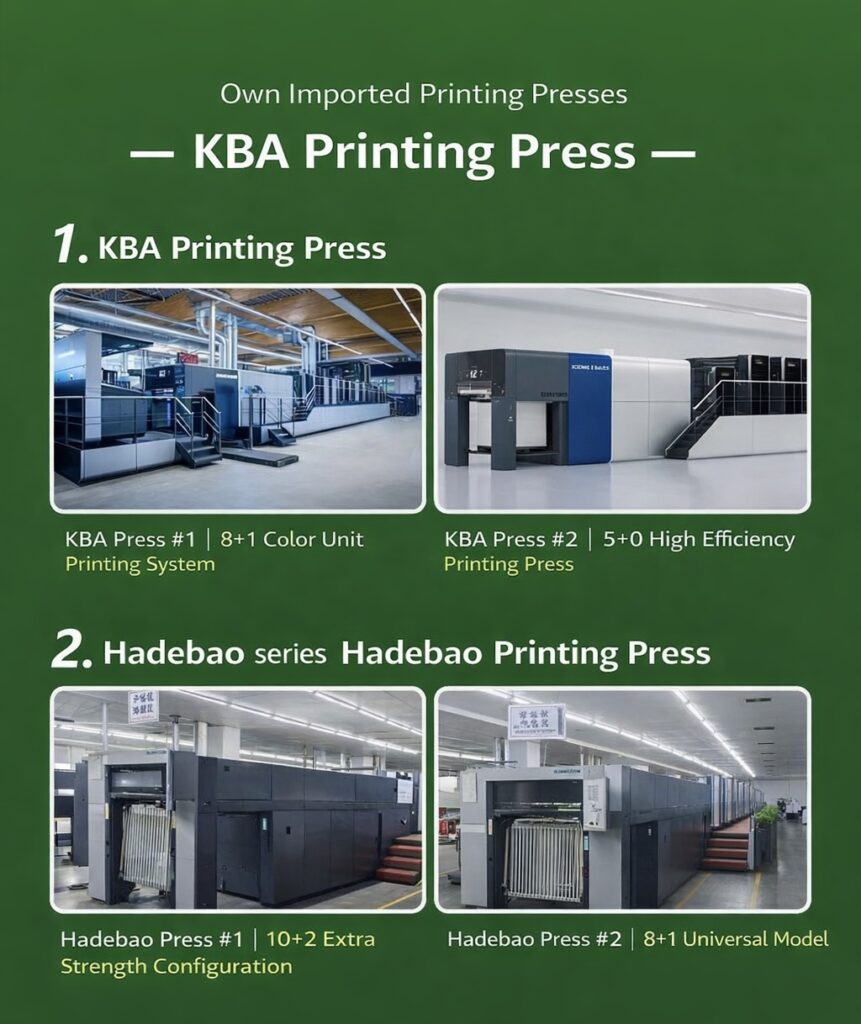
Printing is one of the first places where a paper tube project can succeed or fail. Premium packaging often needs accurate brand color, clean text, stable barcode printing, correct foil placement and a finish that matches the product positioning. Xinhe uses printing equipment including Heidelberg presses to support custom paper tube wraps for cosmetics, food, tea, coffee, candles, apparel and gift packaging.
Before printing, buyers should confirm artwork version, color reference, finish, warning labels, ingredient panels, barcode requirements and whether the surface paper will be kraft, coated paper, specialty paper or laminated paper. These decisions affect cost, lead time, appearance, recyclability communication and production risk.


Tube Winding, Cutting and Curling
Paper tube strength comes from the paperboard structure, winding method, glue control, wall thickness and diameter. A cosmetic paper tube may focus on a premium opening feel and visual finish, while a food, coffee or tea tube may need strength, liner compatibility and stable lid fit for shelf life and transport. The factory should match the structure to the actual product rather than copying a reference image without engineering review.
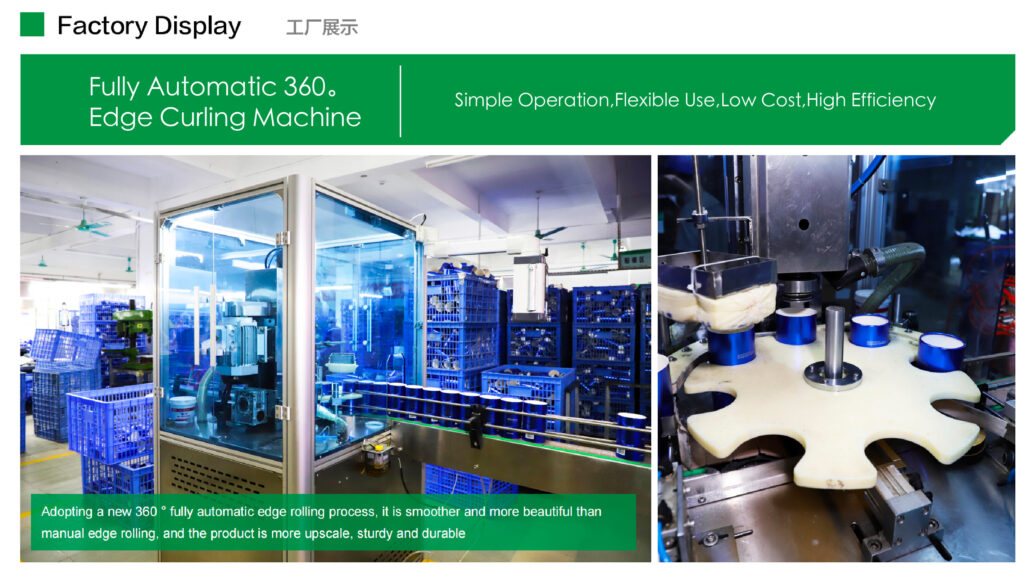
After tube winding, tubes are cut to the approved height. Cutting accuracy affects inner height, lid fit, printed wrap alignment and packing efficiency. Edge rolling or curling can improve the opening feel and make some products look more polished, but it must be reviewed together with diameter, paper thickness, filling method and lid design.


Assembly and Sample Development
Many custom paper tubes require more than a simple top and bottom. Projects may include metal lids, paper lids, plastic-free lids, shoulder structures, dividers, trays, push-up bases, wax liners, PE liners, PLA liners, aluminum foil liners or separate sealed inner bags. Assembly choices affect product protection, user experience, shipping resistance, recyclability claims and total cost.
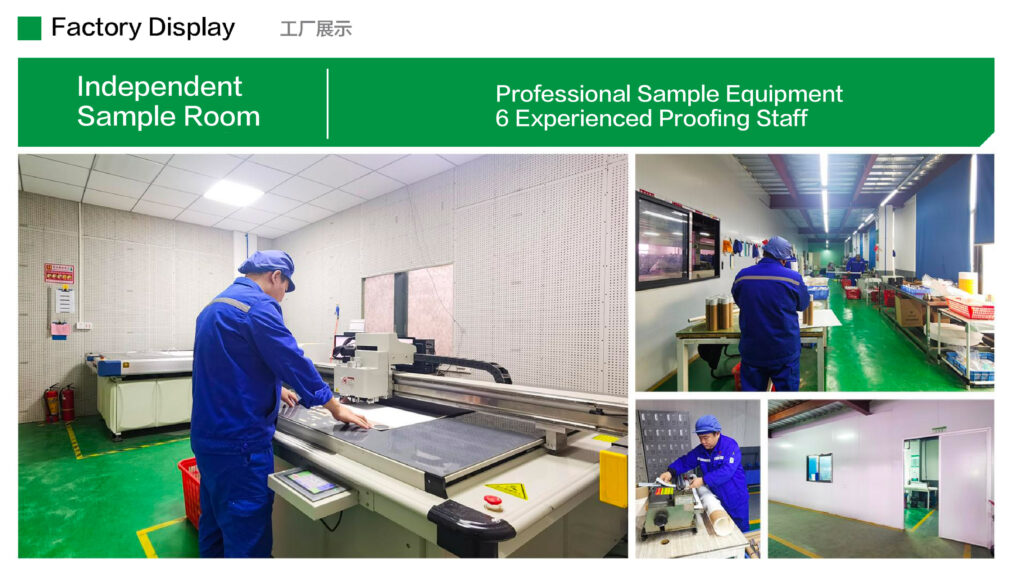
Sample development is where the buyer and factory confirm that the product fits correctly and the package performs as expected. Xinhe can review product dimensions, filling method, shelf-life needs, artwork, target market and shipping route before sample making. This is especially important for food, coffee, tea, protein powder, lip balm, deodorant, candles and premium retail products because each category has different requirements.

Quality Control
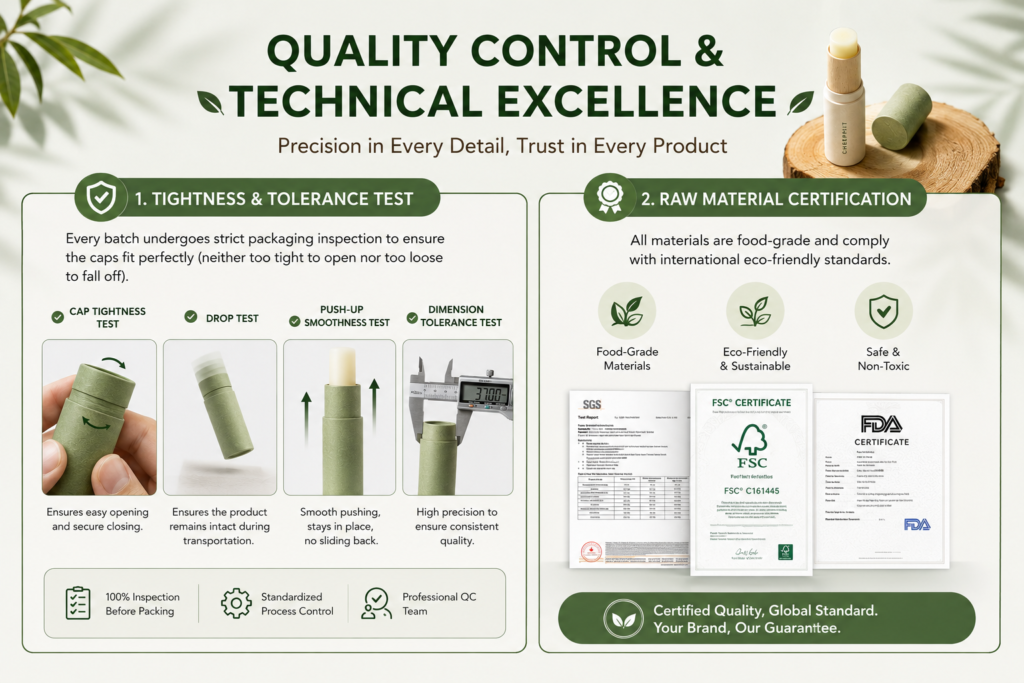
Quality control is the part of a factory tour that matters most to serious buyers. A strong paper tube factory should not only show finished products; it should show how defects are prevented, checked and documented. Xinhe uses incoming material inspection, in-process production checks, final quality control and outgoing quality control across custom paper tube packaging projects.
Every production batch can be reviewed through practical checkpoints: paper material, tube diameter, inner height, wall thickness, color matching, surface appearance, lid fit, bottom strength, insert position, liner condition, odor review when needed, compression resistance, carton quantity and export packing. For food, tea, coffee and moisture-sensitive products, barrier structure and storage conditions should also be reviewed before production.
| IQC | Incoming paperboard, wrap paper, liners, lids, inserts and other materials are checked before production. |
|---|---|
| IPQC | Operators and inspectors review winding, cutting, curling, assembly, print alignment and in-process dimensions. |
| FQC | Finished tubes are checked for appearance, structure, color, lid fit, height, diameter, strength and sample consistency. |
| OQC | Outgoing cartons, labels, packing method, random samples and shipment preparation are reviewed before delivery. |


Warehouse, Packing and Export Preparation
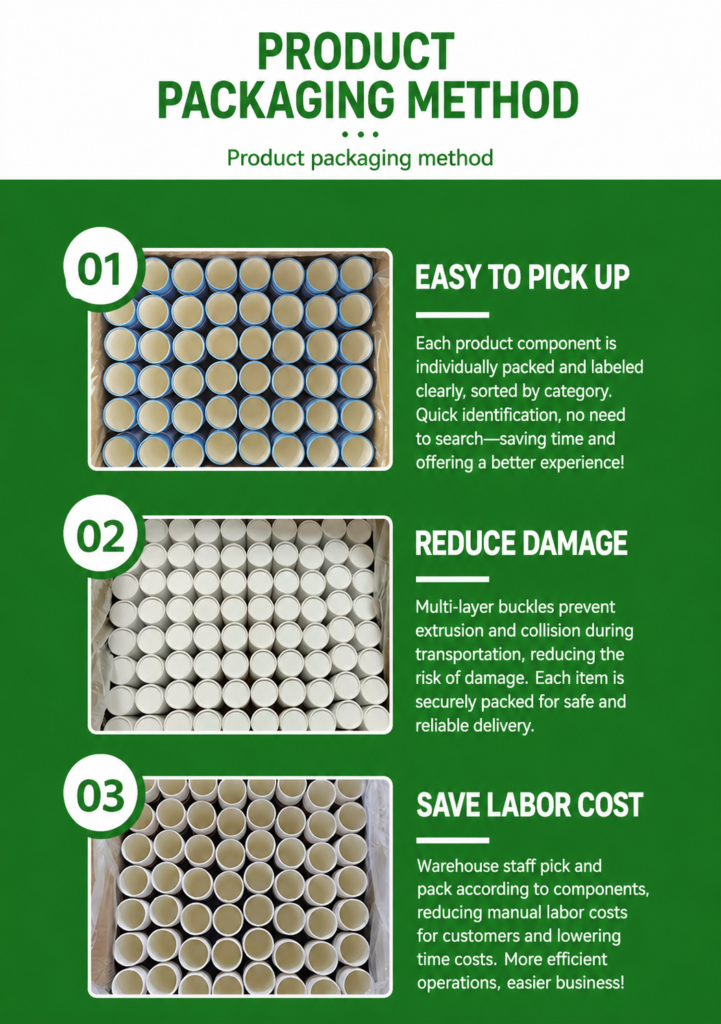
Factory packing is not a small detail. Paper tube packaging can be damaged by compression, humidity, rubbing, carton overload and poor pallet handling. For export orders, Xinhe reviews carton packing, product orientation, protective materials, carton quantity, storage conditions and shipment preparation. Better packing reduces dents, scratches, deformation and lid-fit problems after long-distance transport.
Buyers should confirm how tubes will be packed before mass production, especially when the order includes printed surface paper, soft-touch coating, foil stamping, window structures, delicate lids or food-contact components. For Amazon, retail distribution or container shipment, carton marks, pallet requirements and third-party inspection needs should be discussed before the order is closed.


Equipment and Production Capability
Equipment is not important only because machines look impressive. It matters because it affects repeatability, lead time, tolerance control and the range of structures the factory can support. Xinhe factory materials show 4 printing machines, 2 high-speed tube machines, 2 Heidelberg presses, automatic 360-degree edge rolling equipment, warehouse storage, a testing laboratory and showroom support.
- Heidelberg printing: useful for premium wrap printing, brand colors, clear text and retail packaging surfaces.
- High-speed tube machines: support paperboard winding and tube forming for different diameters, heights and wall thicknesses.
- Automatic edge rolling: supports rolled openings, cleaner edges and stronger presentation for selected paper tube structures.
- Cutting and assembly equipment: helps keep height, fit and repeatability stable during bulk production.
- Testing laboratory: supports quality review for strength, fit, packing and product-specific checks.
- Warehouse and showroom: help buyers review real samples, application categories and export packing options.
Certifications and Factory Documents
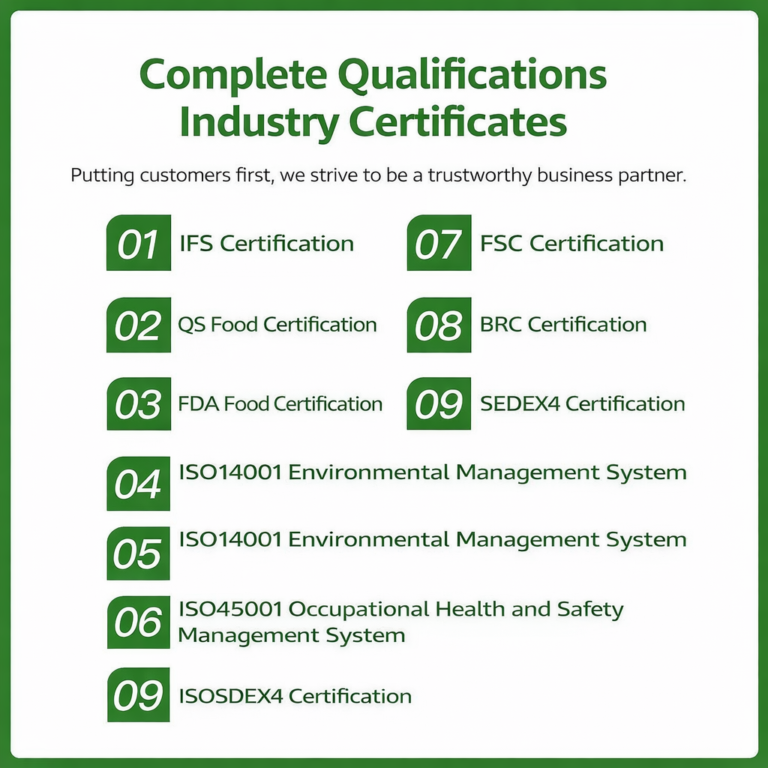
Certifications are most useful when they are connected to the product being quoted. A food-grade paper tube project may need food-contact materials, barrier documents, factory quality records and packaging declarations. A sustainable packaging project may need FSC material evidence and clear component information. A retail packaging project may require quality consistency, color control and carton packing evidence.
Xinhe certification references include FSC, ISO, BRC, IFS and food packaging related documents. Buyers should confirm which documents are needed for their target country, product category, retailer, customs requirements and brand sustainability claims. The factory can then match the document request with the material structure and supplier records used for the project.


Products Manufactured in the Factory
Xinhe manufactures custom cylindrical paper packaging across many product categories. This application experience is important because the correct tube structure for a coffee brand is not the same as a lip balm tube, candle tube or apparel gift tube. Product weight, filling method, moisture sensitivity, shelf-life needs, lid opening feel, retail display and shipping route all influence the final packaging structure.
- Cosmetic paper tubes for skincare, beauty sets, perfume, masks and premium personal care.
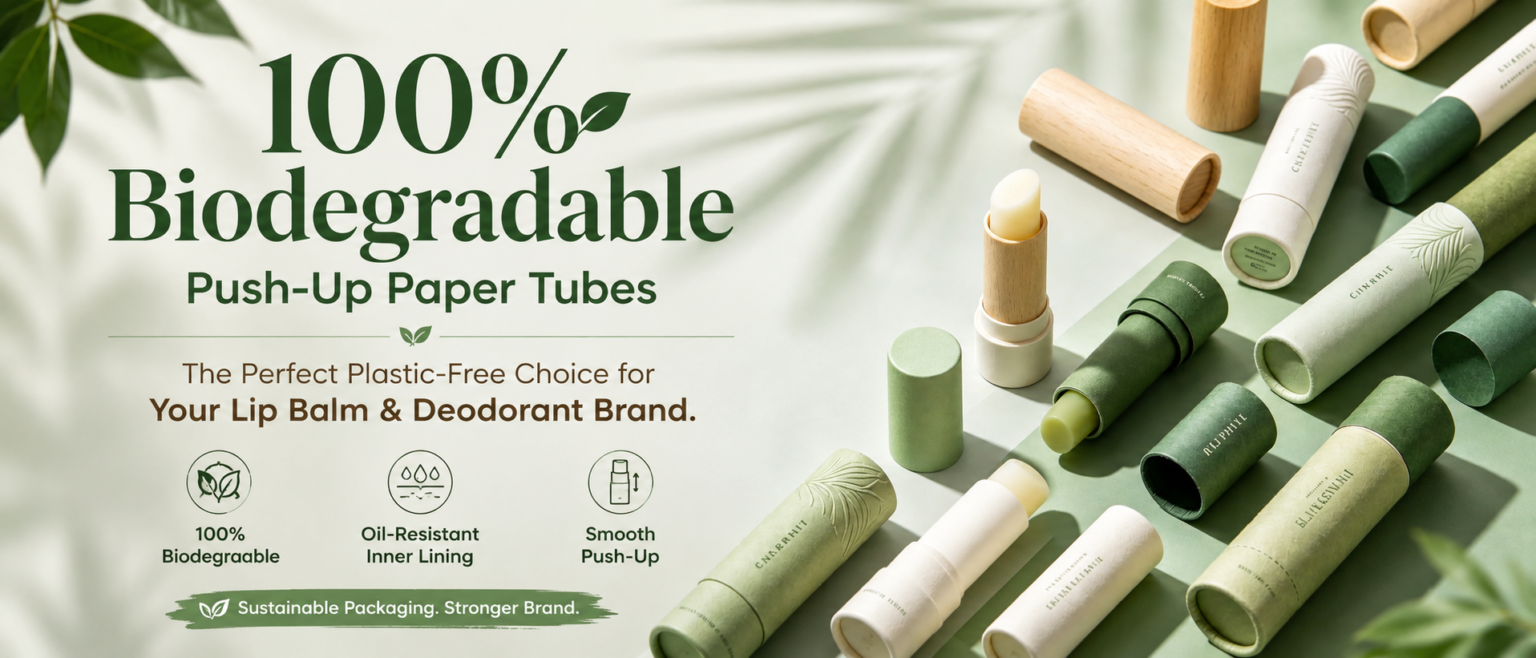
- Lip balm paper tubes and deodorant paper tubes with push-up or twist-up structure options.
- Food-grade paper tube packaging for snacks, candy, chocolate, powder and dry food products.
- Tea paper tube packaging and coffee paper tube packaging with liner and sealing options.
- Apparel paper tube packaging for socks, T-shirts, scarves, accessories and gift sets.
- Kraft paper tube packaging for natural, recyclable and plastic-reduction brand positioning.
- Child-resistant paper tubes for projects that need specialized safety structure review.
- Cardboard cylinder packaging for premium retail, candles, promotional kits and gift packaging.

Real Project Review: Coffee, Cosmetics and Personal Care
A good factory tour should connect equipment with real buyer decisions. For a coffee or tea brand, the factory may need to review aroma protection, liner, inner bag, lid fit, labeling and carton packing. For a cosmetic brand, the focus may shift to color accuracy, foil stamping, soft-touch finish, insert position and a premium opening feel. For lip balm or deodorant, the project may depend on push-up or twist-up structure, inner fit, product weight and user testing.
Xinhe’s engineering and sales teams review the product first, then recommend a manufacturable structure. This prevents a common sourcing problem: a buyer sends a beautiful reference image, receives a low price, but later discovers that the chosen structure cannot pass filling, transport, shelf display or customer use. Factory-direct review reduces that risk before bulk production.

What Buyers Should Check During a Factory Tour
If you visit Xinhe in person or request a video audit, use the factory tour to check evidence rather than only listening to a sales introduction. Ask to see current workshop areas, machines related to your structure, similar samples, material options, certification documents, quality records, packing method and the team member who will manage your project.
- Does the factory understand your product category and product risk?
- Can the factory explain diameter, height, wall thickness, liner, lid, insert and packing decisions?
- Can you see printing, tube forming, cutting, curling, assembly, inspection and packing areas?
- Are there current samples similar to your food, cosmetic, tea, coffee, apparel or personal care project?
- Can the factory provide current photos, sample records, quality documents or third-party inspection support?
- Does the quote clearly define material, structure, printing, finish, MOQ, lead time, packing and shipment terms?
Related Factory and Packaging Resources
Use these pages to continue from factory evidence to product selection, technical decisions and quote preparation. Internal links also help search engines understand Xinhe as a paper tube packaging manufacturer rather than a general service page.
- Paper Tube Manufacturer
- Custom Paper Tube Packaging
- Food Grade Paper Tube Packaging
- Cosmetic Paper Tube Packaging
- Tea Paper Tube Packaging
- Coffee Paper Tube Packaging
- Paper Tube Printing and Finishing Options
- Paper Tube Liners and Barrier Options
- Paper Tube Packaging Buying Guide
- How to Choose a Paper Tube Manufacturer
- Are Paper Tubes Waterproof?
- Paper Tube Packaging Blog
Factory Tour FAQ
Can I visit the Xinhe paper tube factory?
Yes. Buyers can request a factory visit appointment for project discussions, sample review, production process observation and quality control review. Visit timing should be confirmed in advance with the sales team.
Can Xinhe support a video factory audit?
Yes. Overseas buyers can request video calls, current workshop photos, production process review, sample discussion and document review according to project needs.
What paper tube products can the factory manufacture?
Xinhe manufactures custom paper tubes for cosmetics, lip balm, deodorant, food, tea, coffee, protein powder, chocolate, candy, candles, apparel, gifts, pet products and premium retail packaging.
What is the MOQ for custom paper tube packaging?
MOQ depends on tube size, printing, paper material, liner, lid, finish, artwork version and sample requirements. Send product dimensions, target quantity and artwork needs for a factory-direct quote.
What is the usual lead time?
Lead time depends on sample approval, material availability, printing complexity, order quantity and export packing requirements. Xinhe confirms lead time after the structure, artwork and production schedule are reviewed.
Can third-party inspection be arranged?
Yes. Buyers can request third-party inspection or production checks before shipment. Inspection requirements should be confirmed before mass production so the factory can reserve cartons, samples and documentation.
Does Xinhe provide OEM and ODM paper tube packaging?
Yes. Xinhe supports OEM and ODM custom paper tube packaging, including size development, paper selection, liner recommendation, structure review, artwork checking, sample development and bulk production.
What quality checks are used during production?
Common checks include dimension inspection, color matching, lid fitting, tube strength, compression, surface appearance, odor review when needed, random sampling, carton packing review and final shipment inspection.
What certifications can be provided?
Xinhe certification references include FSC, ISO, BRC, IFS and food packaging related documents. The exact documents required for a project should be confirmed according to product category and target market.
Need Custom Paper Tube Packaging?
Share your product dimensions, target tube size, order quantity, artwork or reference image, product category, material preference, destination country and launch date. Xinhe can review the structure before quoting so the sample and bulk production match the real use case.
- Factory direct pricing for custom paper tube packaging.
- Engineering support for diameter, height, wall thickness, lid, liner and insert.
- Free structural review before sample development.
- Free artwork check for dieline, color, finish, barcode and warning text.
- Sample development and bulk production for food, cosmetics, tea, coffee, apparel and personal care brands.